The pitaya season has come to an end in the Canary Islands with very positive results. "In order to avoid price fluctuations at times of peak production, we have set up a program adapted to the flowers' pollination process, so that the harvest can be controlled in advance, depending on the flowering at any given time. In this way, we can start marketing earlier when a peak is expected and we can even schedule promotions together with retailers from the very moment when the flowers are pollinated," says Isora García, of the Canary-based company Pitaber.
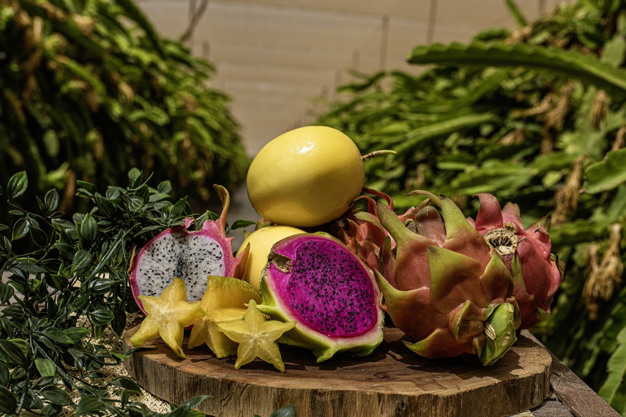
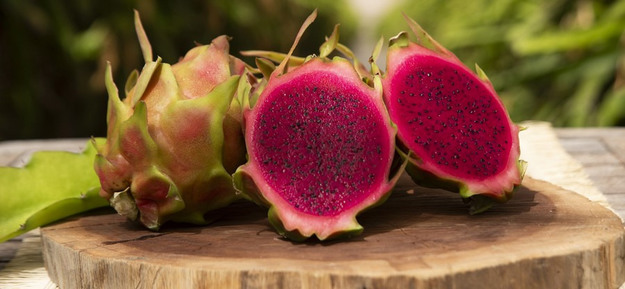
The firm, with headquarters in Arico, specializes in the cultivation of different varieties of pitaya, including the most widely sold on the international market: Hibridum and Undatus. "Red-fleshed pitaya continues to attract the most attention, although in blind tastings, white-fleshed pitaya is the most popular."
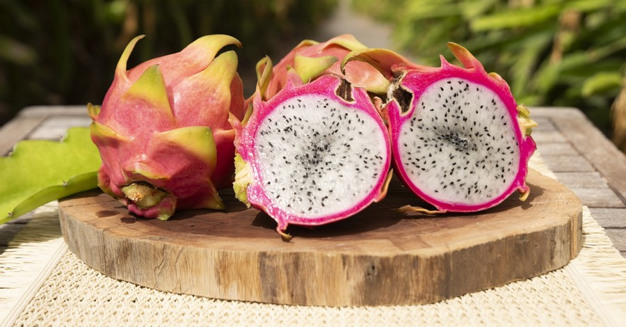
"Pink white-fleshed pitaya has a lot of citric aromas, and its sweetness and acidity levels give it a much more complex taste," says García. "As for yellow pitaya, we have a plantation, but we are using that fruit entirely for our own consumption because even though it offers all the benefits of pitaya, including the advantage of being self-pollinating, it does not have the expected aromas. Moreover, it takes a long time to ripen, as it needs about three months on the plant, and here in the Canaries, it is produced in winter, so it is more vulnerable to burning or having its skin damaged by the saltpeter of the sea, causing the fruit to be considered second class and lose its commercial value."
"At the moment, our nursery is working on the multiplication of self-pollinating varieties. We have a variety in production, the Reina, but we have observed that the fruit set is less efficient in self-pollinated fruit than when the pollinating is done manually," says García. "For this reason, we are testing and researching other self-pollinating varieties to be able to continue growing in terms of production and cover the growing demand for pitaya on the market."
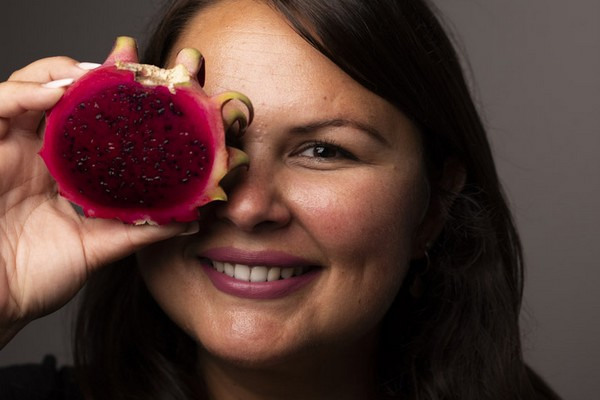
The fact is that the demand for this fruit has been increasing across Europe. "When we first set up Pitaber, which has been a family business from the beginning, we depended on intermediaries to sell our fruit, but little by little, we decided to take the step towards direct sales and we started exporting our pitayas to markets all over Europe; from Helsinki to Barcelona. We have also started to work with supermarket chains on the islands, including Mercadona, Lidl, and the Dinosol Group," says Isora García.
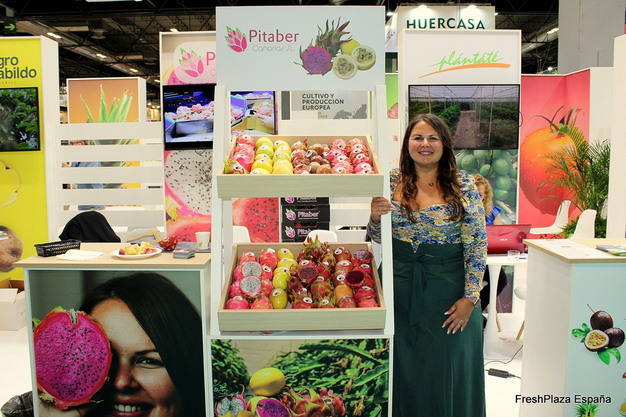
Pitaber stand at Fruit Attraction 2024.
"Pitaya is a fruit with many benefits, and those who try it usually become fans. That is why it's gaining market share and even replacing other fruits in consumption. In fact, demand among our clients, both in the Canary Islands and in the rest of Europe, has grown so much that we have had to expand our production to be able to continue meeting the needs of our clients in the European market."
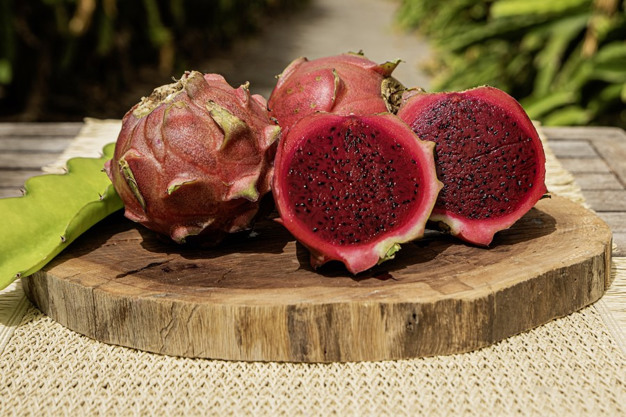
"The success of pitaya is a fact, and at Pitaber we have worked not only to offer the fruit, but also to promote our quality and brand, and the positive results we are achieving show that we are doing well. Now the season is over, but we'll have pitayas again in June, in a season that will last until November," says Isora García. "This year, we will also be working with our organic line, which has already been certified, to market it in Europe and continue to make a difference with our pitayas."
 For more information:
Pitaber
Finca Vista El Balo 2
38592 Icor, Arico. Santa Cruz de Tenerife. Spain
Tel.: +34 922 768 152
[email protected]
https://www.pitaber.com