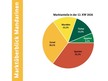
The Chilean cherry sector has encountered recent market challenges due to an overproduction that has led to a surplus in the Chinese market, consequently affecting prices. This development comes as the Chinese New Year approaches on January 29, a period noted for increased fruit consumption and the tradition of gifting cherries. ProChile's data highlights cherries as the leading non-copper, non-lithium export for 2024, totaling US$ 3,091 million and surpassing salmon and cellulose exports, with 93% of these exports directed towards China.
Antonio Walker, president of the National Agricultural Society (SNA), has indicated that over 115 million boxes of cherries are expected to be exported this year, potentially lowering market prices. Walker emphasized the necessity for the industry to adapt and diversify its market reach. Despite the current price decline in China, with sales fetching prices 50% lower than the previous year, there remains optimism for a price recovery as the Chinese New Year draws closer. Yet, expectations are set for prices not to return to their former highs.
The cherry industry, a significant employer with more than 350,000 individuals and over 70,000 hectares planted—primarily in the O'Higgins and Maule regions—plays a crucial role in Chile's national fruit sector, contributing over US$ 2.5 billion in exports. In response to the challenges faced, Walker mentioned plans to engage with ProChile to explore new markets in the Middle East, North Africa, India, and Southeast Asia, and to reinforce ties with Europe, the United States, and Latin America.
Source: America Economia