The plantain industry has undergone a major transformation in producing and commercializing plantains compared to before the pandemic. "I can say that a lot has really changed, having worked in the sector for some time. Plantains are a niche market in Italy, with consumption limited to a few ethnic groups. The average Italian eats them out of curiosity, especially in the pre-packaged crisp version," says Sales Manager Giorgio Donnarumma.
"First of all, let us clarify that plantains and bananas are two different products with different tastes and that plantains, unlike bananas, must be eaten after cooking."
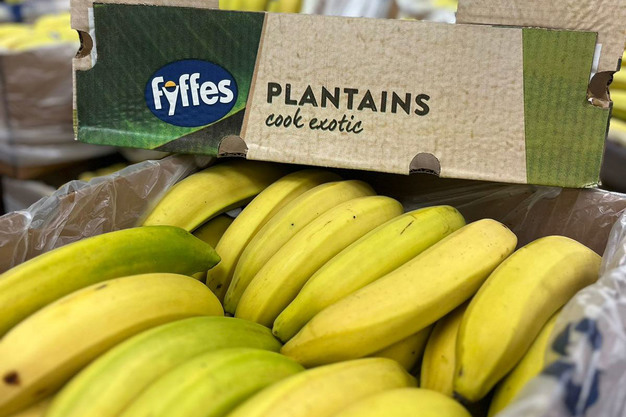 Fyffes brand plantain, origin Costa Rica
"We work specifically with two large groups, Fyffes and Dole, and with three origins, which are Ecuador, Colombia and Costa Rica. From Ecuador we get mainly green plantains, and from Colombia we get the riper plantains. The two types have different uses in the kitchen: the green ones are ideal for frying, while the mature yellow ones are used in desserts, for instance. For the last few years, in collaboration with Fyffes, we have also been working with the product from Costa Rica, which is a good-looking and ripe plantain that is really premium in terms of quality."
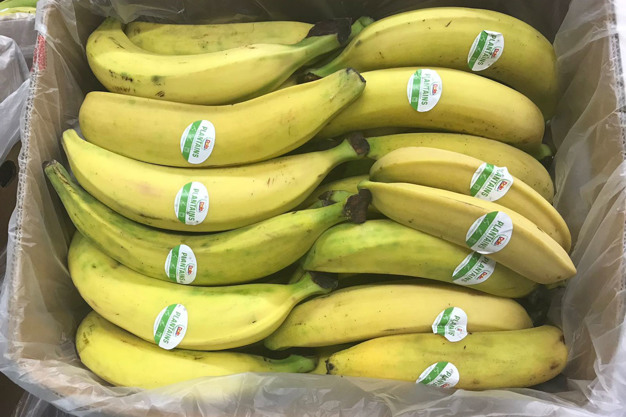 Dole brand plantains, Colombian origin
"After Covid, the industry changed because of rising pesticide prices, labor problems, price increases by shipping companies, and the low prices at origin that large trading groups were willing to pay. What is also worth mentioning is the fact that the small growers have started to broaden their horizons," explains Mr. Donnarumma. "New opportunities have opened up, and we have taken advantage of them. However, we are paying a fixed 20-25 percent more than before the pandemic.”
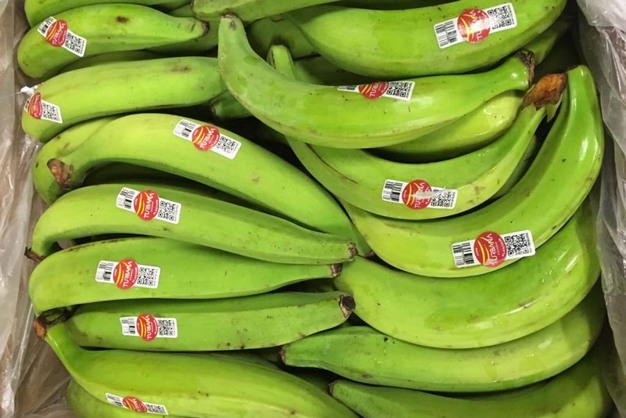 Turbana brand plantain, origin Ecuador
"Ecuador has been producing very low volumes and poor quality for about a year. Colombia has been on a fluctuating trend, with higher quality loads arriving at some times and lower quality loads arriving at other times. In week 45, for example, the country began exporting smaller fruit. They hope to avoid problems with appearance and quality when the fruit reaches Europe. From week 48 to 52, the market is expected to be heavier, with lower volumes and unknown quality."
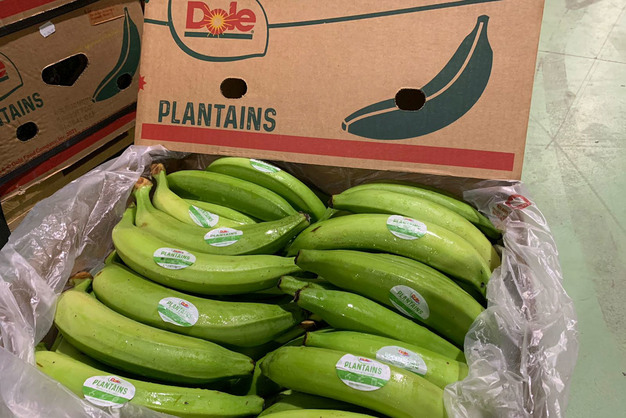 Dole branded plantain, sourced from Ecuador
The weather has affected the quality of the plane trees. "Before August, the fruit was of good quality, but from August until now, it has definitely dropped," says Donnarumma. "In the last two years the plantain market has been on a rollercoaster and it's really hard to get out of it.
"On average, we sell about 60 pallets of plantains per week, or 65 tons between green and ripe, in different quotas depending on the season. In Italy, the product is mainly sold in ethnic specialty stores," concludes the sales manager.
Article photos courtesy of Giorgio Donnarumma