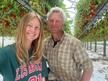
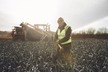
I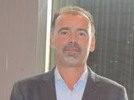 t was an excursion into the future of modern cultivated mushroom production: as part of the BDC's 75th annual conference, around 140 cultivated mushroom growers and interested parties visited the new Pilzkulturen Wesjohann GbR plant in Schwaigern. After an introduction by Managing Director Dr. Torben Kruse (right), there were exciting insights and culinary mushroom delicacies.
50 tons of mushrooms a week leave Pilzland's new production facility in Schwaigern, Baden-Württemberg. An order of magnitude that cannot be achieved without modern technology. The participants of the 75th annual conference on September 30, 2023, were able to gain a personal impression of what this looks like on site. The day before, Dr. Torben Kruse had already given a theoretical overview of what awaited the guests - and aroused their curiosity about modern technology.
With the new, now fifth, cultivation facility in Schwaigern, Pilzland produces a total of around 490-500 tons of mushrooms per week, of which around 8 percent are EU organic quality. Almost half of the mushrooms harvested per week are cultivated in Lower Saxony (approx. 240 t), as well as in Bavaria and Brandenburg. In addition to white and brown mushrooms, the range also includes fine mushrooms such as oyster mushrooms, shiitake, herb mushrooms and chanterelles.
Assortment versus automation
The large assortment clearly meets the desire of consumers and retailers for variety. However, this has its price in production. Further developments in picking with robots were also shown, but these are not yet practical.
And so harvesting at the Schwaigern plant continues to be done by hand, or rather by two hands. For the pickers, however, this is very easy on the back. They harvest the mushrooms from tilting cultivation beds, standing upright in a harvest belt. The system with five stacked tiltable shelves from GTL Europe allows the pickers to control the harvesting position at the bed themselves with a remote controller.
Harvesting with the latest technology
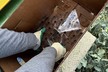
The pickers stand on harvesting belts at the shelves and place the mushrooms on a conveyor belt, which transports the mushrooms to be weighed and packed. A transport system takes the mushrooms to the temperature-controlled packing hall, where accurate and fully automated weighing and packing into trays and boxes takes place. Only one employee is required to reload or remove mushrooms if the weight of the tray is not quite correct.
Immediate cooling of the mushrooms after harvesting keeps the delicate product fresh. After being wrapped and picked using the latest technology, the mushrooms are transported to customers by the company's own fleet of vehicles, maintaining the cold chain.
 © BDC / Pilzland
Closed raw material cycle
In the new Pilzland plant - as in the others - only raw materials produced in-house are used. 1,500 tons of mushroom substrate are supplied by the company's own production facility in Hogenböden, Lower Saxony, to feed its entire in-house cultivation operations. At all five sites, the company obtains heat and electricity from biogas plants. Or biogas is purchased to produce electricity and heat with the company's own combined heat and power plants. Electricity also comes from the company's own photovoltaic systems.
Dr. Kruse emphasized that a sustainable production method is one of Pilzland's goals. This includes regional and CO2-neutral energy supply from renewable raw materials as well as the closed raw material cycle - from straw harvesting to the production of the mushroom substrate to the reuse of the mushroom mushrooms on agricultural land. "We produce on site for our customers. And all from a single source," reported the managing director.
The visitors of the new mushroom farm could convince themselves of the high quality of the mushrooms directly on site. From classically fried mushrooms with various sauces to mushrooms in balsamic vinegar and small mushroom tartelettes, everything was on offer - much to the delight of the guests. And moreover, a perfect conclusion to the 75th Annual Meeting.
For more information:
www.pilzland.de