Although the conditions during the plum season have been clearly good in terms of rainfall, it has been one of the worst in terms of accumulation of hours of cold.
A variety such as the D'Agen plum normally requires over 500 hours of cold (below 7° C), and ideally more than 600 to produce a better, even, homogeneous bloom. "In the 2023 season, most areas only has between 460 and 550 hours of cold, clearly insufficient, and this will probably lead to the flowering happening between 7 and 10 days earlier," said Pablo Campino, member of the Chileprunes Technical Committee and executive of Pacific Nut.
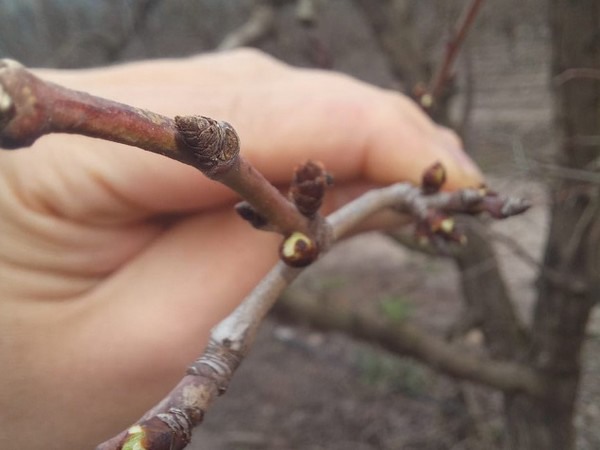
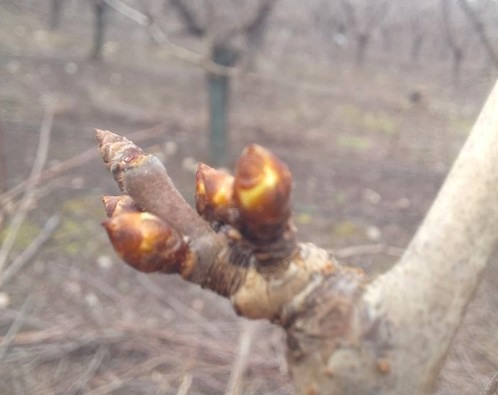
"The advance in the start of the season is a reality, as we are already starting to see flower buds in the orchards. An earlier flowering is not bad in itself, but it results in a longer, more uneven flowering, and fruit in the tree at different stages of development, often unable to set."
"However, the dried plum industry, or a large part of it, has the professional equipment, knowledge and technologies to help mitigate the impact of these circumstances," said Campino. For example, there is already experience in the use of hydrogenated cyanamide or dormancy breakers to achieve a correct homogenization of the phenological stages.
Frosts in September would also have a negative impact, although these are unlikely to occur, as in the same way that El Niño has caused an increase in average temperatures during the winter, it will do so also in the spring.
"What is rather expected in September are rains, and another possibility is an excess of heat that would dehydrate the flower's pollen tubes, preventing them from developing into fruit. Rains in September and October could cause phytosanitary issues, like the spread of pathogenic fungi, such as Botrytis cinerea and Monilinia fructicola, so it will be important to use fungicides to stop them."
"This will undoubtedly be a season of much learning and without many precedents, which will tell us how to act in the future in the face of rising global temperatures," he said.

"What matters most," he adds, "is to do the job well, which means having a program and adhering to it, keeping the orchard well-watered and protected from temperature fluctuations, especially high temperatures, implementing good soil management practices and fertilization, and using vegetative covers.
 For more information:
Chileprunes
https://www.chileprunes.cl/