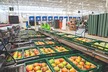
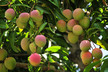
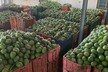
In the southern Italian region of Apulia, the harvest of the early pomegranates Shany and Emek will take place in the first week of September. Davide De Lisi, cultivation manager of Masseria Fruttirossi, an Italian pomegranate grower with over 300 hectares of its own crops, shares with us details of the upcoming season.
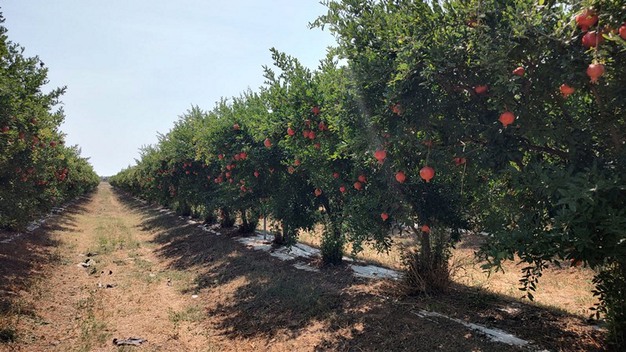 The Shany variety
"The new season is just around the corner and will last about six months thanks to the refrigerated controlled atmosphere storage of the Wonderful variety. The fruit is now completing the color change phase. Unfortunately, the pomegranate crop, like that of many other fruits and vegetables, is undergoing the impact of the bizarre weather conditions of recent months this year. We expect to end up harvesting 30% less fruit per hectare compared to what was initially estimated during the abundant flowering phase. Despite the difficulties, our total market volume will be higher than last year, thanks to young plots coming into production and because several new growers have joined us."
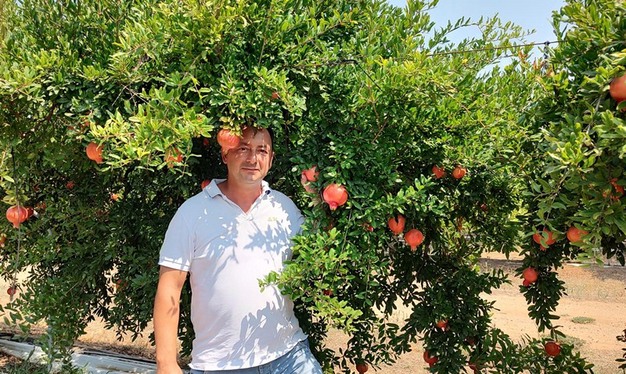 Davide De Lisi
The numerous rainy days in May and June, followed by the scorching heat in July, are the cause of the lower average yield. "Fruiting was much less successful than expected. The humidity did not allow pollen to circulate sufficiently. The bees we had set out in several plots also did not carry out their pollination work as well. And because of the high temperatures, we had to irrigate more, with water from both wells and the traditional water network, but of course that increased the expenses. Anyway, we are not too worried because orders are coming in, and expectations are high."
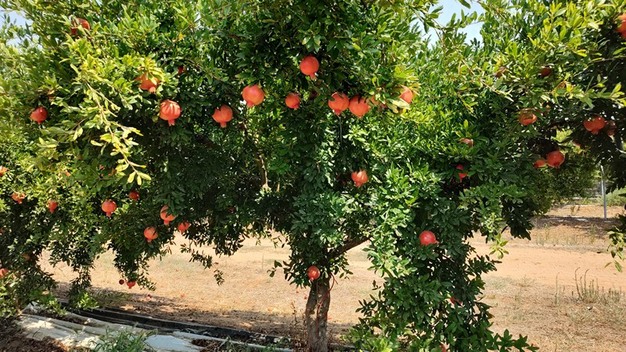
The manager explained that the drop in yields is also affecting other non-European countries, such as Israel. "The effects of the climate change on horticulture are increasing and are now known to buyers, but we are confident that sales can go well in the next few months and that we will be able to guarantee consistency, quality and quantity."
For more information: Masseria Fruttirossi
C.da Terzo Dieci snc
74011 Castellaneta (Taranto) - Italy
+39 099 9647688
[email protected]
lomesuperfruit.com