After the first weeks of the outdoor harvest for raspberries, blackberries and currants, the Landgard producer cooperative draws an overall positive interim conclusion on the 2023 soft fruit season. "The qualities and quantities of raspberries are extremely good. We are also satisfied overall with the currant harvest and are going into CA storage with good qualities and quantities. The blackberry crop has been delayed by the long cooler weather. However, it is still in the middle of the season, so that quantities and qualities can continue to develop positively, given the good weather forecasts," explains Arthur Heinze, fruit sales manager at Landgard Obst & Gemüse GmbH & Co. KG. "Demand for regional berries remains high. Food retailers have a strong focus on German soft fruit and support sales with their regional private labels."
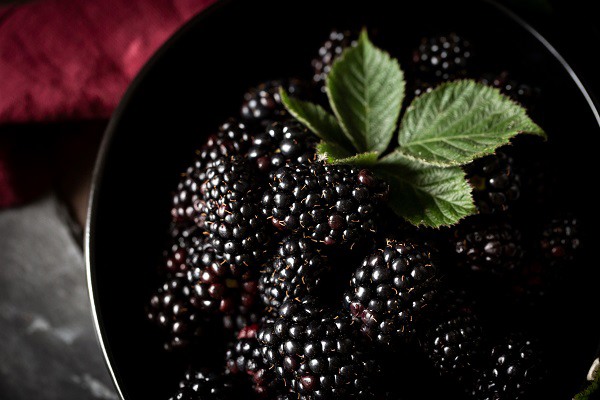
In the West region alone, Landgard member companies produce raspberries, blackberries and currants on a total area of around 150 hectares - and the trend is rising. The first blackberries under glass were harvested in the Rhineland as early as mid-May. Blackberries grown under cover in the open have been on sale since week 27. Raspberry harvesting in foil tunnels started in the West in week 24, and from week 27 outdoor raspberries from covered cultivation were also harvested. From week 26, the first early currant varieties could be harvested in the Rhineland, Arthur Heinze: "The climatic changes of recent years require particularly high production know-how from the farm managers. We are proud of our family-run member farms, which are mastering these challenges in the best possible way. Together with our member farms, we are continuing to expand protected cultivation in order to be able to guarantee high production quality and product availability. In addition, the labor conditions in protected cultivation are significantly better for everyone involved."
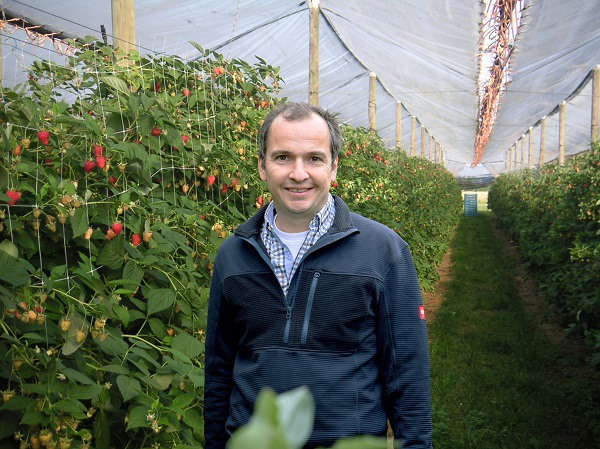
On the fruit farm of grower Matthias Sonntag (photo above) in Wachtberg, blackberries and raspberries grow on around seven hectares under rain caps or in foil tunnels. "This allows us to reliably supply the trade with fresh soft fruit every day, even during prolonged rain, as in recent weeks, and at the same time we can significantly reduce the use of pesticides," says Matthias Sonntag. "In the end, fruit today always has to meet several requirements at once. The trade wants a long shelf life. We need large fruits that are easy to harvest. And for consumers, the berries must taste delicious above all."
Until the end of August, the soft fruit harvest on Matthias Sonntag's orchard is still running at full speed, and he is harvesting smaller quantities of late-set raspberry crops even until the first frost. "I am extremely satisfied with the raspberry season so far, the qualities and the yield are very good," explains the fruit producer. For the early blackberry varieties, a frost in the pre-bloom phase led to yield losses because fewer fertilized flowers were formed. "The quality is also good here, but we expect a rather moderate crop," says Sonntag. "Consumer* demand for regional soft fruit has been somewhat restrained in view of the prolonged cooler weather. However, we are achieving stable prices for our products, which is very important in view of the annually rising labor costs, especially for labor-intensive crops such as soft fruit."
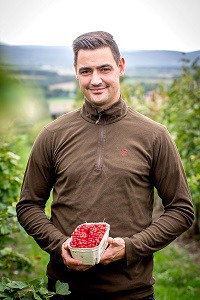 Overall, Landgard member Daniel Schäfer's (photo right) interim summary of the currant season so far is also positive: "We harvested our early currant variety from mid-June to early July. Here, yields have unfortunately been somewhat lower due in part to the poor flowering weather in the spring. However, the late crops, which we harvested from the beginning to the end of July, were then good, so that overall we can reliably supply the trade with currants of good quality and a satisfactory total quantity until the fall."
On the Alte Burg farm in Birresdorf, Daniel Schäfer grows currants, among other things, on almost 29 hectares, which are protected from the weather by nets and partly by foil roofs. The Schäfer family started growing currants about twelve years ago and has continuously expanded it since then. "The currant is an excellent fit for our fruit-growing operation, as it complements our main crop, strawberries," Daniel Schäfer tells us. Immediately after harvesting, the berries are stored at controlled room temperature to ensure optimal product quality and freshness until they reach the retail market. Of the benefits of berry fruit for consumers*, grower Daniel Schäfer is absolutely convinced, but sometimes wishes for a higher appreciation: "After all, we have great products here, in which we put a lot of work, energy and heart and soul."
Images: Landgard eG
Further information:
www.landgard.de