TIKA, the Turkish Cooperation and Coordination Agency, has launched a project to boost agriculture in Somaliland; the project will be covering the training of farmers, delivery of seeds and the modernization of agricultural equipment.
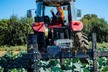
The recently-launched project aims to boost the quality and amount of crops and livestock in Somaliland, including measures against any threat of future drought. Last Tuesday, TIKA officials delivered 40 kilos of tomatoes, peppers, cabbage and lettuce seeds, along with pesticide and fertilizers, to 100 farmers in Somaliland's vegetable and fruit hub Gabiley.
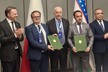
Turkey's Hargeisa Consul-General Ali Noyan Coşkun, TİKA's Somalia Coordinator Galip Yılmaz and Somaliland officials attended the ceremony for the launch of agricultural support. Yılmaz said at the ceremony that he believes farmers will have more profitable production with the support of Turkey and vowed that Turkey would continue supporting the people of Somaliland. Mohamed Mohamud, Gabiley's director of the Ministry of Agricultural Development, thanked TIKA for its support.
In the next stage of the project, TIKA will train farmers on new agricultural methods and provide modern agricultural equipment.
Somaliland's economy largely depends on agriculture and livestock exports. Crop farming is the second major contributor to the state's economy after livestock breeding. The main crops cultivated in Somaliland are sorghum, maize, tomatoes, lettuce, onions, peppers, cabbage, oranges, lemons and papaya. The country's crops suffer from a lack of irrigation and are mostly dependent on rainfall. Limited cultivation and yield force the country to depend on imports from neighboring countries.
Source: dailysabah.com