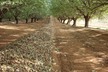
According to new research, North African date palms are a hybrid between cultivated date palms from the Middle East and a wild species of palm that grows on the island of Crete and in parts of southern Turkey. The same research sheds light on the evolutionary history of one of the oldest tree crop species in the world, which remains a major fruit crop of arid regions of the Middle East and North Africa.
Researchers from New York University’s Abu Dhabi’s Center for Genomics and Systems Biology sequenced the genomes of 71 cultivated date palm varieties from the Middle East, North Africa and South Asia, and multiple genomes from each of its five closest relatives.
They found that hybridization between P. dactlifera date palms and P. theophrasti palms -a species endemic to the Eastern Mediterranean- is the source of mixed ancestry and genetic distinction of North African date palms.
According to natureasia.com¸ the analysis found that up to 18 percent of the genome of North African varieties could be traced to P. theophrasti. Researchers say hybridization has not only led to increased genetic diversity in North African date palms compared to date palms from the Middle East, but may also lead to new genes being introduced to cultivated date palms that could improve yields and disease resistance.