Snacking has become a core eating occasion for Australian consumers. Fresh fruit, vegetables, and nuts remain established snack options, but competition from packaged snacks is increasing.
Insights from Hort IQ, based on NielsenIQ Homescan data, indicate that performance in the snack category is influenced by multiple factors beyond health, including taste, convenience, value, and ease of use. For growers, the focus is on aligning presentation, packaging, and positioning with consumption patterns.
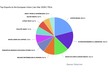
Packaged snacks account for US$9.73 billion in retail sales, with frequent consumption between meals. Fresh categories continue to attract regular snackers, but packaged products such as chocolate, biscuits, frozen snacks, and chips maintain share due to portability, familiarity, and perceived value.
Higher prices have supported value growth across fresh produce and nuts, while volumes have declined in cases where convenience is limited.
Taste remains a primary driver in snack selection. Consumption is often linked to behaviour such as boredom or stress, with health considerations playing a secondary role. While consumers review nutrition information and consider health outcomes such as weight, gut, or heart health, these factors function more as confirmation than the initial purchase driver.
Some fresh categories are positioned within snacking. Apples and bananas lead in purchase frequency and usage occasions. Snacking vegetables, including baby cucumbers, baby carrots, and snacking tomatoes, are increasing in household penetration. Pistachios are identified as the fastest-growing nut category.
Overall, fruit and nut volumes are influenced by a reduction in snacking occasions rather than demand. Consumers continue to purchase fresh products but are snacking less frequently.
Data indicates that improved alignment with snacking habits can support category performance. This includes reducing friction through smaller pack sizes and ready-to-consume formats, and improving product visibility in snacking contexts.
Positioning fresh products based on flavour, texture, and consumption experience is identified as a factor in competing with packaged alternatives. Health positioning remains relevant but is linked to consumer expectations around satisfaction, energy, and balance.
Value perception is influenced by pack size, shelf life, waste reduction, and multi-use applications. Cross-category positioning, including combinations with dips, yoghurt, or other foods, can support usage occasions.
The report, Bite-sized opportunities: winning in today's snacking market, is available via Hort IQ and includes additional data and analysis on consumer behaviour and category development.
 © Hort InnovationFor more information:
Horticulture Innovation Australia
Tel: +61 (0) 427 142 537
Email: [email protected]
www.horticulture.com.au