Prolonged tensions in the Middle East are affecting vegetable supply chains in Japan, with tomato growers reporting rising costs and shortages of packaging materials.
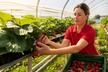
At Sugaya Farm in Hokota, Ibaraki Prefecture, around 60 tons of tomatoes are produced annually across six greenhouse units. As the summer season approaches, growers report increasing pressure from higher input costs.
Shunnosuke Sugaya said suppliers have indicated that prices for tomato bags and plastic packs are expected to rise by around 30%. "We are hearing from many material suppliers that prices for tomato bags and packs are going up," he said. The farm uses these materials daily for packing and distribution.
Rising crude oil prices are impacting plastic-based agricultural inputs, with some materials already in limited supply. Sugaya said mulch sheets used for weed and pest control have become harder to secure, with some orders halted.
Fuel costs are also a concern for greenhouse operations. Sugaya said the farm typically begins purchasing fuel in October for heating. "What matters is what prices will look like then. Even a 20% rise in fuel costs could mean several hundred thousand yen, or in the worst case several million yen," he said. Higher costs may result in adjustments to product pricing.
In response to packaging constraints, some businesses are reducing reliance on disposable materials. At Oimo Biyori Azumino in Nagano Prefecture, customers who bring their own containers receive a 30-yen discount per pack. The store said the approach was introduced due to difficulties sourcing plastic containers and changes in consumer spending.
Store manager Rie Imai said around one-third or more of customers are now bringing their own containers. "Reducing the use of plastic containers has also been a real help for us," she said.
The situation highlights ongoing cost pressures linked to energy markets and input availability, with growers and retailers adjusting operations in response.
Source: News On Japan