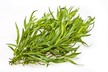
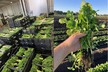
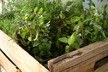
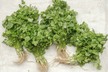
Tarragon is gaining ground in Kenya as demand increases across hotels, restaurants, and export markets. The herb, previously a niche product, is being adopted by farmers as an alternative crop with market potential.
Tarragon is widely used in culinary applications and is part of the fines herbes group in French cuisine, alongside chervil, parsley, and chives. Fresh leaves are used in salads and vinegar, while dried leaves and flowering tops are used in dishes such as sauces, omelettes, and vegetable preparations. The herb is also used in herbal applications.
Agronomists indicate that French tarragon, preferred for its flavour profile, must be propagated through cuttings as it does not produce viable seeds. Russian tarragon can be grown from seed but has a lower flavour intensity. In Kenya, production is taking place in moderate climates with well-drained soils. Irrigation management is required, as excess water can lead to root issues and affect product quality.
Tarragon production is being adopted by small-scale growers and greenhouse operators due to short production cycles and high per-kilogram value. Export demand for fresh herbs is increasing, supporting interest in the crop. Analysts indicate that expansion of tarragon production could contribute to Kenya's horticultural export portfolio.
Production areas in Kenya include Nakuru, Murang'a, Embu, and Nyandarua. Growers are advised to begin with smaller production areas, focus on quality, and scale output in line with market demand.
Demand is also increasing in retail and export channels, as well as in herb blends and infused products, supporting continued market development for tarragon.
Source: The Kenyan Diaspora Media