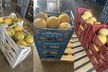
After a cold and windy period in February, many growers in Florida reported crop losses. Growers with surviving crops are now starting harvest around one month later than usual.
"Hopefully these will get ripe real fast, and we'll have these out to the consumer soon," said David Weber, owner of Florida Blueberry Nursery.
In April, Weber started harvesting blueberries at his farm near Winter Haven. The operation sustained damage from low temperatures and strong winds in early February. Conditions at the time resulted in icy branches, damaged blooms, and structural losses in the orchard.
Weber reported losses of around half of the early blueberry varieties that had already bloomed, while later varieties performed better. Standard freeze protection methods for berries were not effective under windy and low-humidity conditions.
According to Dr. Wael Elwakil with the University of Florida/IFAS Extension in Hillsborough County, growers lost between 20% and 60% of production during the week following the freeze.
"Coinciding with increasing labor challenges and navigating difficult market windows, especially for Florida berry producers due to high supply from Mexico and California, it is getting more and more difficult every year," Elwakil said.
Growers typically prioritise early varieties due to higher market prices at the start of the season. "Everybody's trying to go earlier and earlier, so they had earlier varieties and those earlier varieties were in full bloom, a lot of them, and they lost everything. So they just cut them back, and they're relying on crop insurance," Weber said.
Harvest activity is now beginning, with volumes expected later than usual. "Whatever we have is going to be very late. It's going to be, we're just going to start picking this week, and we'll pick into mid-May this year because of the cold weather," Weber said.
Weber, who is also involved in blueberry breeding, noted that variable conditions are part of production. "My wife always says farming is not for the faint of heart. When things come along, and they do, we have labor issues. We have hurricanes. We have freezes, infestations. We have birds, all these different things that we're always having to deal with," Weber said.
Source: News Channel 8