Recent tensions in the Middle East have disrupted regional shipping, affecting Dubai's fresh produce market, a sector that depends largely on imports. Industry sources report that local businesses are seeking alternative logistics solutions to maintain supply as delays continue.
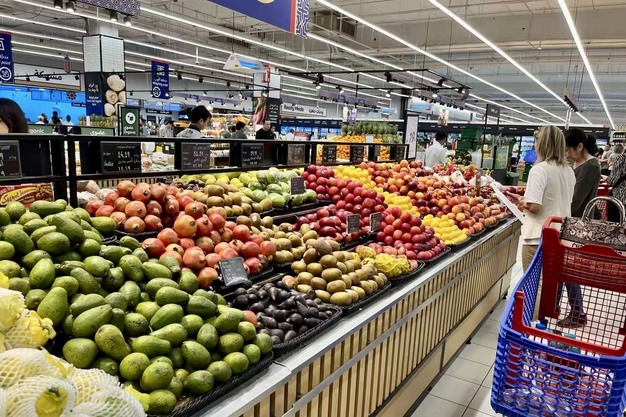
Dubai's fresh produce supply relies mainly on sea imports, with the Al Aweer Central Fruit & Vegetable Market serving as a trade hub. In response to the situation, several international shipping companies have adjusted their Middle East routes.
 © Onedayone Group
With many ships having departed before the situation escalated, refrigerated containers carrying fresh produce remain in transit. Shipping disruptions have caused some vessels to remain at sea for several days, unable to dock as planned. For time-sensitive fresh produce, delivery timing has become a key concern for the supply chain.
As of March 11, some vessels carrying Chinese fresh produce have begun diverting to nearby ports to access the Middle East market. Some shipments are being offloaded at the Port of Khalifa and transported by land to Dubai, while others are transshipping through ports such as Sohar and Salalah in Oman, and Jeddah in Saudi Arabia. Some containers are temporarily held at ports in South and Southeast Asia while awaiting further coordination.
Meggie Peng, Chief Representative for the Middle East at Onedayone Dubai, said that supply chain companies are monitoring updates from ports and shipping companies to adjust logistics plans.
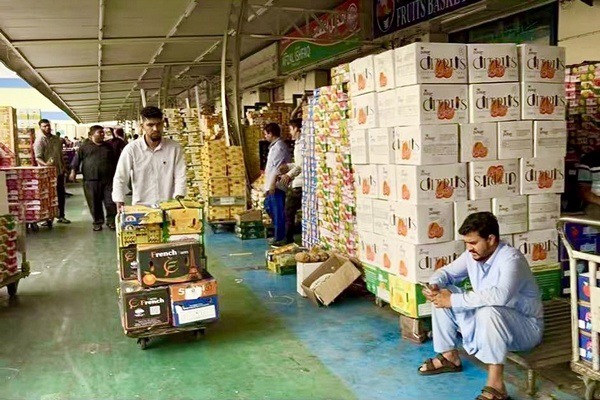
"In this situation, the final port of unloading is typically determined only in the final stage, creating high demands on ground logistics. Particularly at ports with limited refrigerated plug-in capacity, handling capacity is constrained. Continuous monitoring of port and container statuses is essential to develop the most appropriate transportation plan promptly," she said.
 © Onedayone Group
Companies are also facing higher transportation costs. Shipping delays, port congestion, and cross-border land transshipment have increased the risk of damage to fresh produce. War surcharges, port transfer fees, and higher land transport and customs clearance costs have increased logistics expenses. Industry sources estimate that overall logistics costs per container have increased by approximately 20,000 AED compared to normal levels.
While some shipments are finding alternative routes, industry sources note that these alone are not sufficient to ease inventory pressure in the market. Supply still depends on regular shipments from the origin. However, shipping capacity remains tight, with only a limited number of shipping companies in China accepting Middle East bookings. Freight rates have increased, and many routes are currently accepting cargo only for nearby ports, with limited direct service to Dubai.
As uncertainty continues, some fresh produce suppliers have adjusted their shipping strategies. They are prioritizing more durable products such as ginger, garlic, apples, and carrots to reduce transportation risks and maintain supply to local markets.
 © Onedayone GroupFor more information:
Maggie Peng
Onedayone Group
Tel: +86 18717 865462
Email: [email protected]
www.onedayonegroup.com