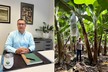
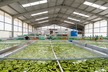
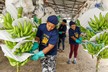
In a context of rising disease pressure and increasing climate variability, Agrícola Cañas in Ecuador has strengthened its focus on soil biology as the core strategy for its banana operations. "Anyone whose not working with the soil's biological components will likely fall behind," stated Alejandro Carandoni, the company's general manager.
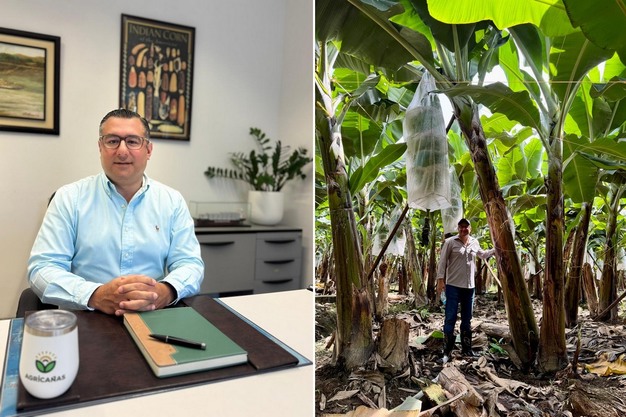 © Agrícola Cañas
"The decision to strengthen the biological approach was deliberate. After detecting Ralstonia on a farm, the company realized that only reacting after the problem has appeared is not enough. Waiting for the pathogen to show up before acting is a mistake," Carandoni stated.
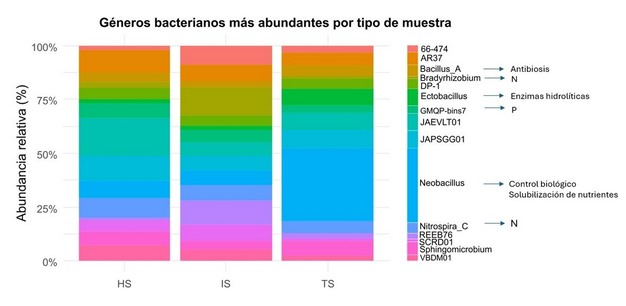
From that point forward, the company established a scientific department dedicated to analyzing microbiota by extracting and sequencing soil DNA. "The goal: to understand the interactions between bacteria and fungi in the rhizosphere and their impact on plant health and nutrient absorption," he explained.
 © Agrícola Cañas
A key aspect of the work is developing "suppressive soils," where beneficial microbes dominate and help prevent pathogens such as Ralstonia or Fusarium from spreading. "Our goal is not to simply introduce microorganisms, but to understand how they interact synergistically and how this microbiota changes over time," he clarified.
After two to three years of treatment with Bacillus and Trichoderma consortia, including freeze-dried Bacillus for stability, the company reports improved microbiological stability and effective control of pathogens. "Today we can scientifically demonstrate this balance," he said.
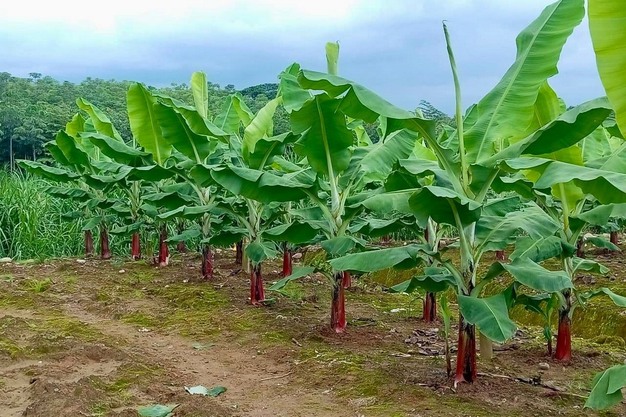
Metagenomic analyses have also identified bacteria involved in nitrogen, phosphorus, and potassium fixation and solubilization. This information has been used to adjust fertilization programs and optimize input use. "We can produce very well, optimizing resources and relying on microbiology," he says. Five of his nine farms have achieved average yields of 4,000 boxes per hectare in an increasingly unpredictable climate.
 © Agrícola Cañas
Climate variability, especially over the past five years, with periods of low light, heavy rainfall, and sudden changes, has also led to the use of biostimulation tools such as algae extracts, amino acids, and growth regulators to reduce physiological stress on plants.
The company is also working with international laboratories in the U.S. and Korea to sequence native strains that might fight pathogens. "We have isolated endemic bacteria that, under lab conditions, show antagonistic properties against vascular diseases by competing directly," he said.
According to Carandoni, microbiological management has shifted from being a trend to a necessity for sector sustainability. "If we ignore this, the future remains uncertain. We have to act now, because success here simply means we can continue to grow," he stated.
 For more information:
Alejandro Carandoni
Agrícola Cañas
Ecuador
Tel: +59 39810 20711
Email: [email protected]
www.agricolacanas.com.ec