China's imported fruit market is no longer about "buying everything." Today, success depends on supplying the right fruit, at the right price, and at the right time. Although import volumes continue to grow, prices are under pressure, meaning only the most efficient and reliable suppliers can secure shelf space. This article highlights several key trends shaping China's fruit market.
 © Ning Fan | FreshPlaza.com
Imported fruits stay popular as competition increases
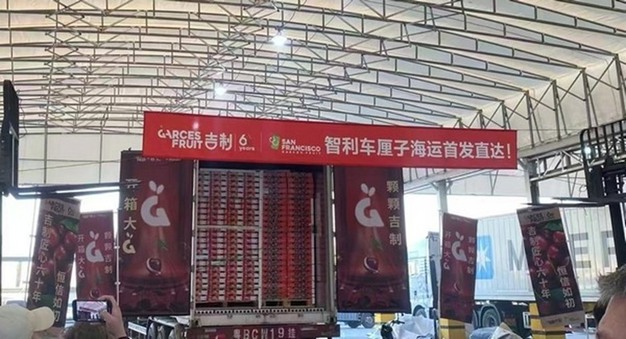
Imported fruits remain popular, but competition is intensifying. Over the past year, bananas from Southeast Asia, especially Vietnam, have remained strong sellers due to their competitive pricing. Chilean cherries continue to grow in volume, but prices have softened as they shift from being a luxury item to a seasonal staple for consumers. Blueberries are among the fastest-growing imported fruits, mainly supplied by Peru, although competition from domestic blueberries is becoming increasingly fierce. Thai durians are still the largest imported tropical fruit category, but competition from Vietnam and Malaysia is rising steadily. First cherry container arrives in the Guangzhou market
Domestic production rises as competitor to imports
For overseas exporters, competition is no longer limited to other export brands but increasingly comes from local production. During peak seasons, domestic fruit takes a larger share of the market, keeping prices for imports under pressure. At the same time, the volume and quality of locally produced fruit continue to improve, supported by better varieties, modern orchards, and more skilled growers. Some domestic fruits, such as Yunnan blueberries and Dalian cherries, are even priced higher than imports, showing that consumers are willing to pay for high-quality fruit that is available year-round.
Blueberries provide a clear example of this trend. Just a few years ago, most blueberries consumed in China were imported. Today, domestic production dominates the market, particularly in Yunnan. The region now produces 280,000 tons from 23,000 hectares, representing a 50% year-on-year increase. Chinese blueberries now outsell imports in both retail and online channels, and exports are also growing, reaching 6,098.9 tons in the first three quarters of 2025. At the same time, imports remain strong, mainly from Peru and Chile, indicating that overall demand continues to grow for both domestic and imported blueberries.
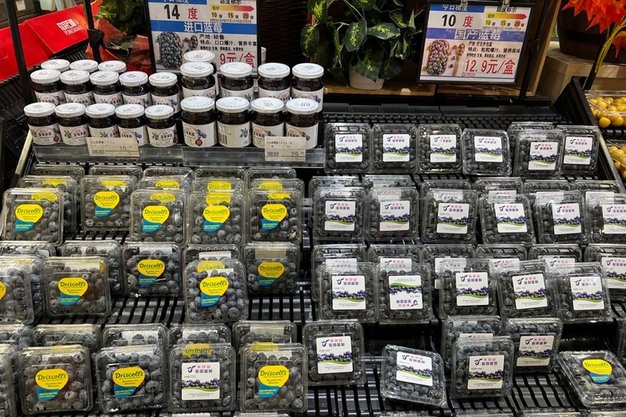 © Ning Fan | FreshPlaza.comImported and domestic blueberries
China boosts homegrown fruits once mainly imported
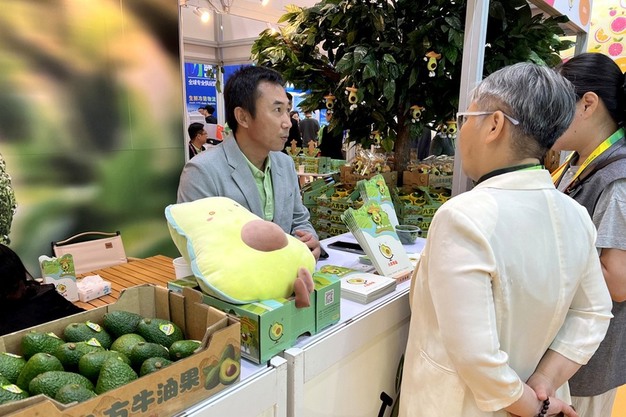
China is expanding the cultivation of fruits that were once mainly imported. Thanks to shorter logistics chains and longer shelf life, Yunnan avocados can reach markets faster than South American imports. Yunnan blueberries are also becoming increasingly popular, valued for their sweetness grown at high altitudes.
At the same time, tropical fruits such as passion fruit, yellow dragon fruit, and pineapples are being planted more widely in southern China. Each year, new varieties are introduced through the use of modern orchards and greenhouse technology. Cherry tomatoes are also gaining popularity, with Gansu and Yunnan expanding greenhouse production.
Overall, these developments reflect a clear push to replace some imports with local production. This approach offers consumers greater variety throughout the year while creating new opportunities for domestic growers and exporters.
 © Ning Fan | FreshPlaza.com
Yunnan avocado
Quality becomes key for imported fruit in China
Fruit inspection practices in China have changed significantly in recent years and now go far beyond simple visual checks. Chinese consumers increasingly judge imported fruit by taste, texture, and freshness, rather than appearance alone. This shift has pushed exporters, including those from Chile, to move away from a volume-driven approach and focus more on consistent, premium-quality fruit. Orchard management has improved, packing standards have become stricter, smaller fruit sizes are more limited, and new varieties are being tested to improve firmness and extend shelf life.
Other imported fruits face similar pressures. Thai durians, China's largest imported tropical fruit, are subject to strict quarantine and freshness inspections, while Peruvian avocados are carefully graded for ripeness and consistency. Overall, China's fruit market is becoming increasingly quality-driven, with consumers willing to pay higher prices for fresh, high-quality produce. Faster inspection processes, improved cold-chain logistics, and tighter quarantine controls are further supporting this trend.
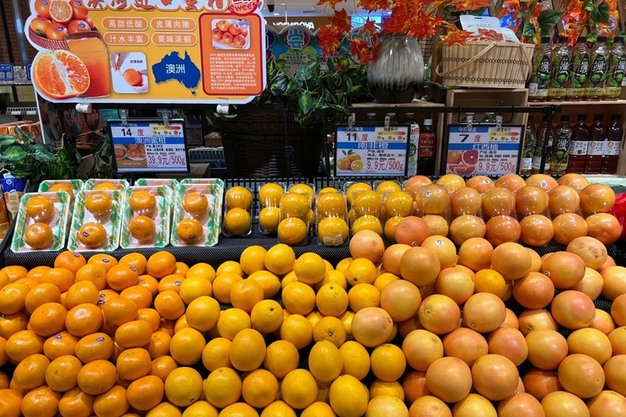 © Ning Fan | FreshPlaza.comCitrus imported from different origins
Chinese elements featured in fruit packaging
As the market evolves, elaborate gift boxes are becoming less popular and are being replaced by more practical and cost-effective designs. At the same time, many companies are incorporating traditional Chinese elements, such as classical patterns and costume-inspired motifs, to add cultural value and appeal to both domestic and international buyers.
This shift reflects a broader change in marketing strategy. Packaging now emphasizes convenience and storytelling rather than luxury alone, helping both domestic and imported fruit stand out in an increasingly competitive market.
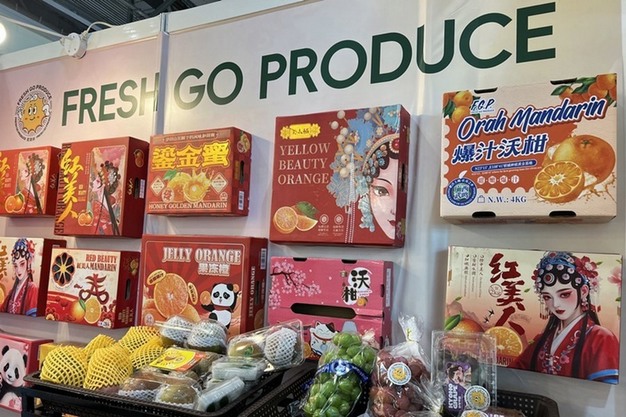 © Ning Fan | FreshPlaza.comFruit packaging designed with traditional Chinese elements
Challenges and opportunities
Both importers and domestic sellers are operating in a challenging market. Rising production and operating costs, seasonal oversupply, and slow sales caused by weak consumer demand are putting strong pressure on margins. At the same time, consumers expect premium quality and uniform fruit, which increases costs related to sourcing, sorting, and logistics. High cold-chain and storage expenses further reduce profitability, while rapidly changing market trends make it difficult to sell large volumes consistently.
Despite these challenges, opportunities remain. Growing interest in premium and exotic fruits is creating space for niche markets. Continued investment in cold-chain logistics, modern packing facilities, and e-commerce platforms is improving distribution efficiency, even in smaller cities. In addition, rising awareness of health and nutrition is driving demand for products such as blueberries, avocados, and tropical fruits. Traders who prioritize quality, product diversity, and effective marketing can turn these challenges into higher-value sales.
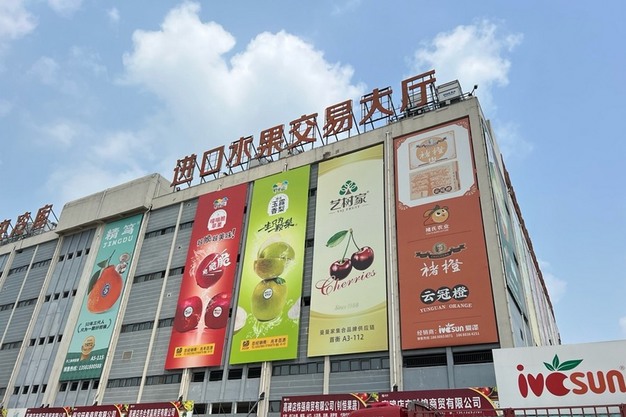 © Ning Fan | FreshPlaza.comGaobeidian wholesale market imported fruit section