U.S. agriculture officials are preparing to issue payments to fruit, vegetable, and other specialty crop growers under US$1 billion allocated in December through the Farmer Bridge Assistance program. Payments under the Assistance for Specialty Crop Farmers will be based on planted acres in 2025, with commodity rates to be announced at the end of March.
Industry representatives state that additional support is required. Tamas Houlihan, executive director of the Wisconsin Potato and Vegetable Grower Association, said the funding will be distributed across multiple specialty crops as well as sugar and other commodities.
"It's simply not enough, especially when it's spread out over all these specialty crops, as well as sugar and some of these other commodities are now tapping into that," Houlihan said.
 © U.S. Department of Agriculture
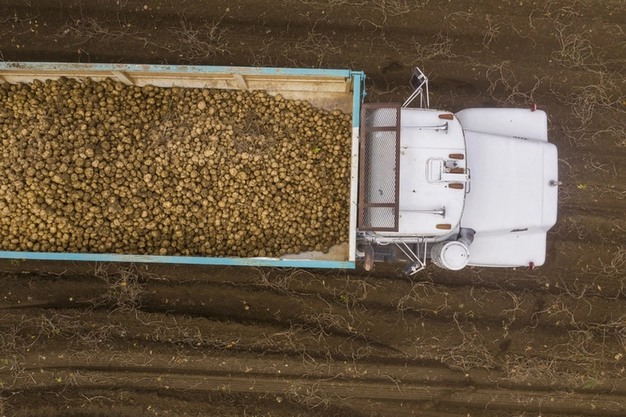
His organization and over 100 specialty crop groups are requesting an additional US$5 billion in assistance through a broader agricultural aid package. Houlihan said potato growers have faced US$789 million in losses over the past three years, citing a roughly 20 per cent reduction in purchasing from major processors.
"We're just seeing a decrease in consumption, and we are also seeing an increase in imported products and a decrease in our ability to export products," he said. "With all those factors combining, we've got a massive oversupply situation."
He added that initial contract prices for the current crop year are down between 10 and 20 per cent, with additional volume reductions expected. Similar conditions apply to Wisconsin's vegetable sector supplying canned and frozen markets.
"There are a lot of scared growers as we head into this planting season," Houlihan said.
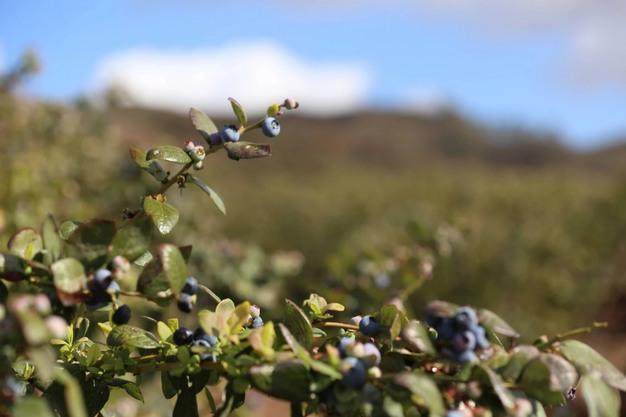
Labor costs are also cited as a constraint. A Michigan State University study found that the average blueberry grower in Michigan is operating at break-even levels. Alyssa Houtby of the North American Blueberry Council said labor expenses have increased over the past five to ten years, affecting hand-harvested crops.
 © North American Blueberry Council
"The president has said it time and time again: the border is more secure now than it ever has been," Houtby said. "So now is really the opportunity for the administration and Congress to move on legislation that truly solves our ag labor crisis."
She added that many perennial crops cannot shift production cycles when input costs exceed sales prices.
Kam Quarles of the National Potato Council said growers face ongoing financial pressure. "With every day that passes, we are getting deeper and deeper into one of the most difficult economic environments that growers have faced in the last half century," he said.
USDA also announced US$150 million in aid for the sugar beet and sugar cane industries. The American Sugar Alliance described the funding as a "critical aid infusion" for growers facing tight margins.
Source: Nebraska Public Media