Senegal is increasing its role as a supplier of fresh vegetables to the United Kingdom, reflecting shifts in global agri-food supply chains. Climate constraints, labour cost differentials, and trade disruptions are influencing production geography, with Northern Senegal emerging as a winter supply base for the UK market.
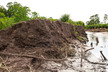
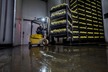
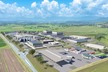
The region offers high solar radiation, available land, and lower labour costs. Although rainfall is limited, irrigation from the Senegal River supports intensive production. British firms are producing vegetables for export during the UK winter, when domestic output declines. Even with maritime freight included, production remains cost-competitive due to lower labour input costs compared to the UK.
Foreign direct investment in export-oriented horticulture has created employment in rural areas with high unemployment rates, particularly among women. Export production contributes to foreign exchange earnings and links Senegal to global supply chains. Investment in irrigation systems, logistics, and port infrastructure supports related economic activity.
Income distribution remains uneven. Wages are reported to remain close to the legal minimum. A substantial share of value addition is retained by foreign firms operating within export supply chains. Land and water allocation to export crops has also raised questions regarding domestic food production capacity and resource use efficiency.
For the UK market, imports from Senegal contribute to price stability and off-season supply continuity. At the same time, domestic UK horticulture faces structural constraints, including higher labour costs and regulatory requirements. This dynamic contributes to increased reliance on imported supply, with exposure to geopolitical, climate, and logistics-related risks.
The Senegal-UK vegetable trade reflects broader patterns in globalised agri-food systems, where production decisions are driven by cost optimisation and comparative advantage. While the model supports year-round availability and cost management, it raises considerations regarding supply chain resilience, value distribution, and long-term resource allocation.
Source: Rawabet Center