In the same familiar location as always, Salix Fruits was once again present at Fruit Logistica Berlin two weeks ago. CEO Alejandro Moralejo provided a brief update on the dynamics in the citrus market, the largest fruit category for the company. In general, it is a changing environment with new growing countries entering, climates in some regions being challenging, and markets showing volatility.
The northern hemisphere is currently in season. In the U.S., California manages the market. The state has been dealing with lots of rain and as a result, the fruit has grown in size. Rainfall is also impacting the fruit's ability to travel long distances. This time of year, most citrus available in the U.S. originates California, but oranges are also imported from Mexico and Morocco is a source for mandarins.
 © Marieke Hemmes | FreshPlaza.com
Alejandro Moralejo and Juan Gonzalez Pita at Fruit Logistica Berlin 2026.
Wet conditions in Europe
In the European Union, Spain is the main growing country but is faced with an unusually wet start to the year. Turkey, another significant player, has been having problems with frost and Morocco received more rain during their citrus season this year compared to the past 30 years. Egypt is an up-and-coming grower and exporter of citrus. "They grow a lot of fruit, their production increases fast and export volumes also grow at a high pace," shared Moralejo. "However, their processes are untidy and require improvement before they can play a key role in citrus exports."
China is key grower and consumer
In Asia, China has a rapidly growing citrus industry, and the country is the largest grower of citrus worldwide. While a significant share of production stays in the domestic market, the country dominates exports on the Asian continent. In addition, they are exporting more and more to Russia. "The entrance of new players in the category allows us to diversify our sourcing strategy," mentioned Moralejo.
In the southern hemisphere, South Africa's season will start up in a few months. "The country could really dominate exports to Europe, Asia, and the Middle East." The U.S. is also a favorable market for South Africa, but only fruit from the Western Cape is allowed to enter. During the northern hemisphere summer, the U.S. mainly imports from Peru, Chile, Argentina, and Uruguay. However, tariffs had a big impact on trade flows last year. During the last part of the most recent southern hemisphere season, imported oranges benefited from the suspension of tariffs. However, other citrus categories such as mandarins are still faced with a tariff, which varies by exporting country.
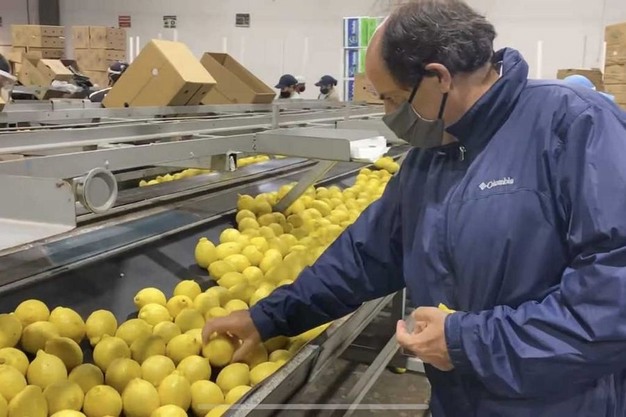
"All in all, citrus is a totally changing map, making it difficult to read the market." Oranges are the most stable portion while the situation in the lemon market fully depends on supply levels. Mandarins have shown to be risky due to excess supply in the past two to three years.
 © Salix Fruits
 For more information:
Alejandro Moralejo
Salix Fruits
Tel: +1 770-884-4088
[email protected]
www.salixfruits.com