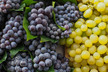
A multicultural production team is supporting the development of one of New Zealand's largest plantings of premium table grapes in Hawke's Bay, while sharing skills, language, and production perspectives.
Greencollar's vineyard operates within a small segment of New Zealand horticulture. Fewer than 40 hectares of table grapes are in commercial production nationwide, compared with tens of thousands of hectares planted to wine grapes. At approximately 20 hectares, Greencollar's five-year-old vineyard represents one of the largest table grape operations in the country.
The grapes are produced by a multicultural team including workers from Japan, New Zealand, China, India, and Taiwan, with Pasifika team members supporting operations during peak seasonal periods. According to Greencollar chief executive Shin Koizumi, the mix of backgrounds contributes to day-to-day vineyard management. "It's a really great mix of cultures and levels of experience, with everyone bringing something unique to the team," he said.
Team interaction extends beyond vineyard tasks. Shared lunches are a regular feature, with staff introducing dishes from their home countries, including curry, samosas, sushi, and cold noodle salads. These informal gatherings provide an opportunity to exchange language and cultural knowledge alongside operational work.
Vineyard manager Taka Kagayama noted differences between New Zealand and Japanese work cultures, particularly around work-life balance. "It's not something we really have in Japan. Here, everyone always works hard to get their responsibilities completed, but we know that our family time and things we do after work are valued as well," he said.
Kagayama also highlighted the production differences between table grapes and wine grapes. "Wine doesn't care what the grapes look like; while we need to be focused on the whole presentation: taste, flavour, balance, and look, the skins need to be perfect," he said. This emphasis affects canopy management, harvesting decisions, and quality control throughout the season.
According to operations and sustainability manager Xan Harding, the diversity within the workforce also informs export-facing decisions. "Sometimes it's the small things, like the way the packaging is presented, or the words we're using, that can make all the difference," he said.
With limited national plantings and a focus on presentation-driven quality, table grape production remains a niche within New Zealand horticulture. The Hawke's Bay operation illustrates how international experience and local production systems are being combined to support this segment.
Source: HortNews