Belgian consumers bought just under 40 kilograms of fresh fruit per capita last year, almost a quarter less than 20 years ago. At the beginning of this century, fruit purchases were still at 54 kilograms per person. In 2024, Belgians spent an average of 138 euros on fresh fruit. Due to an average price increase of 4.5 per cent, the purchase volume fell slightly again. The long-term trend remains clearly downward, despite a predominantly positive image of fruit.
Within the fruit basket, bananas remain the most purchased fruit, followed by apples. Average apple consumption reached 6.67 kilograms per capita in 2024, down slightly from the previous year. Jonagold retains its dominant position with a 40 per cent market share. For pears, the decline is more pronounced: purchase volume fell by 11 per cent in 2024. At the same time, the Conference variety is becoming increasingly dominant, now representing around 80 per cent of pear volume.
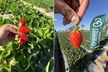
Against the general decline, there are clear growth segments. Strawberries experienced a slight growth of 1 per cent in 2024. Small fruit in particular has been gaining importance for several years. Blueberries have been among the strongest growers in home consumption since 2016. Over the longer term (2016–2024), purchases of avocado (+85 per cent), watermelon (+53 per cent), blackberries (+48 per cent), raspberries (+42 per cent), and mango (+36 per cent) have also risen sharply. These products respond to new eating occasions and a growing demand for variety and convenience.
Consumption spread throughout the day, hard discount gains ground
On an average day in 2024, 60 per cent of Belgians consumed fruit. Consumption is spread throughout the day, with the afternoon being the most important moment. Flanders and Brussels have higher fruit consumption than Wallonia. Older people and those with a higher education appear to eat fruit more often on average than other population groups.
Belgium also remains in the middle of the pack in European terms. According to the latest figures from Freshfel (2025), Europeans mainly eat apples, bananas, oranges, grapes, and peaches. Blueberries are also the most dynamic growers at the European level, confirming the Belgian trend.
Buying fresh fruit is mainly done through large supermarket chains such as Delhaize and Colruyt, which together account for 52 per cent market share. However, hard discount, led by Aldi and Lidl, continues to gain ground and now reaches 25 per cent. Belgians also buy fruit in neighbourhood supermarkets (9 per cent), at public markets (4 per cent), and through farm sales and farmers' markets (1.4 per cent). Online sales of fresh fruit remain limited to 2 per cent for now.
Country of origin becomes more important
The image of fruit remains distinctly positive. Consumers see fruit as an essential part of a healthy lifestyle: it is tasty, easy to consume, and suitable as a snack at any time of the day. Its wide variety and year-round availability suit a busy, modern lifestyle and often create a positive feeling after consumption.
When buying fruit, appearance plays the most important role. Consumers give appearance a score of 8.6 out of 10, followed by price (8.4 out of 10). Seasonality also carries weight (7.9 out of 10), as seasonal fruit is perceived as fresher, tastier, and more sustainable. Country of origin is increasingly important (5.9 out of 10), with a clear preference for locally grown fruit. In addition, consumers consider environmental impact (5.4 out of 10), such as growing method, packaging, and transport. For 30 per cent of Flemings, organic cultivation is even decisive when buying.
Pears gain ground on exports, apples lose out
For Belgian fruit, opportunities on the European export market remain. The combination of logistical proximity, fast delivery, and a strong reputation for quality works in favour of Belgian producers. In 2024, Belgium exported about 100,000 tons of apples, mainly to neighbouring countries. However, apple exports are under pressure and have fallen by 30 per cent over five years. Pear exports, by contrast, continue to grow and reached around 330,000 tons in 2024. Neighbouring countries remain the main markets, with Germany and Italy standing out as growth destinations, partly due to declining Italian production figures. For Belgian strawberries, there are also opportunities in markets such as Scandinavia, where quality and freshness carry significant weight in purchasing decisions.
The Belgian data are based on representative studies conducted by YouGov and iVox on behalf of VLAM. Data from Eurostat and Freshfel were used for the European figures.
For more information:
VLAM
Tel: +32 02 552 80 32
[email protected]
www.vlam.be