The supply of Guatemalan melons has normalized over the last couple of weeks. "We did experience lower volumes during November, December and into the first part of January," says Tom Ferguson, vice-president of sales at Classic Fruit Company.
Much of those lower volumes were attributed to wet weather in Guatemala during October and November. "There were rains early in the growing cycle and as we moved into December, we contended with non-stop overcast days. Our field personnel tried their hardest to stay on top field issues, but lower yields were realized which negatively impacted supply," he says.
 © Classic Fruit
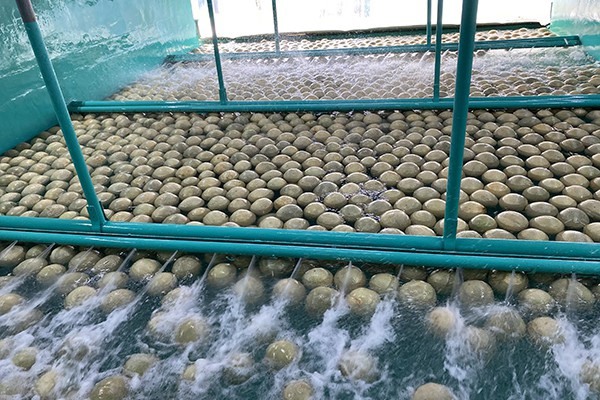
A transition to alternate growing regions in Guatemala and Honduras occurred in the early part of January which helped improve supply to more normal levels. That steady supply is anticipated to last through next week followed by a natural reduction of volume expected during the middle two weeks of February as all growers will transition back to the primary region in Guatemala, the Zacapa Valley.
In the meantime, by the end of February, the company will begin its Spring harvest which will provide promotable volumes during March and April.
Other areas growing
Along with Guatemala, Honduras is also shipping fruit at the moment.
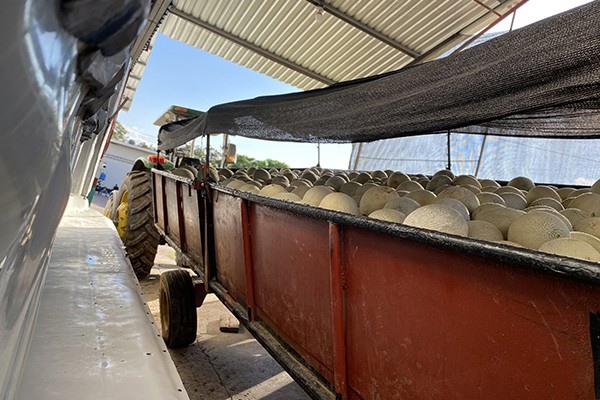
All of this though is an improvement over last year's melon situation. "Last year was a disastrous season. We had a tropical storm that hit Central America in the middle of November which crippled the industry through the middle of February," says Ferguson. "So this year, we'll take the slight dip in production we have experienced compared to last year."
 © Classic Fruit
As for demand, it had been very good up until the end of last week when cold temperatures and winter weather began hitting large parts of the U.S. With those temperatures not really anticipated to ease until later next week, lower demand is likely to continue through next week. "We had really strong pricing that peaked about two weeks ago. Pricing started to settle as normal production couldn't compete with the decrease in demand because of the snow and freezing temperatures," says Ferguson.
Pricing is still considered good though–both cantaloupe and honeydew for example are in the $14-$16 range. "Looking ahead, as we get to the expected dip in production in mid-February, pricing should restabilize. By late February and moving into March, retailers are eager to promote cantaloupe and honeydew as opportunities have been limited thus far this season," says Ferguson.
 For more information:
Tom Ferguson
Classic Fruit Company
Tel: +1 (954) 426-0775
www.classicfruit.com