Although the mango growers' strike in the northern part of the country was settled last weekend, tensions in the sector persist. According to an anonymous exporter, the season is experiencing one of its most difficult moments yet. Low market prices and high export volumes are creating an explosive mix. Growing discontent among growers has recently led to violence and blockades.
According to the anonymous source, the strike broke out after a group of growers demanded 50 soles per 20-kilogram crate, equivalent to about $0.75 per kilogram. However, the price rises to around $0.78 per kilogram when harvesting and transportation costs are included. "At current market prices, that level is not profitable," he said.
 © Fuente anónima
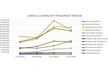
The situation is further complicated by the international context. Between 430 and 450 containers of mangoes are being shipped to the United States this week, significantly more than in previous weeks. Prices there currently range from $6 to $7 per box, and traders predict they will continue to fall as supply increases. In this context, it is impossible for exporters and packers to pay the requested price at the source.
During the strike, roads were blocked, fruit transport in Piura was halted, and in some cases, so was the harvest. This led to a temporary halt in exports and created an unsafe situation for drivers and workers, who would prefer to continue working.
Although the official blockade has been lifted, concerns remain about rising violence, a pattern seen in the sector since December. These actions are in direct conflict with the social and labor standards required by international certifications such as SMETA and GRASP, which are crucial for accessing certain markets.
To make matters worse, persistent rainfall and muddy fields are now causing more problems in the orchards. The increased humidity increases the risk of diseases such as anthracnose. This forces producers to select fruit more strictly, increasing operating costs at a time when prices are already low.
For now, the harvest has resumed, but according to the anonymous source, growers' discontent is far from over. With several weeks remaining in the season and new growing regions entering production, the sector is concerned that ongoing price declines could prompt protests once more.