Fresh fruit and vegetables entering the European Union through the Port of Rotterdam undergo mandatory food-safety checks before release into the market. These inspections can take time, delaying reefer container movement and increasing costs. An optimisation project launched in late 2024 is now reshaping the process to improve efficiency for fresh-produce supply chains.
The Port of Rotterdam Authority formed a working group to improve transparency and coordination around inspections. Participants include the Netherlands Food and Consumer Product Safety Authority (NVWA), EvoFenedex, Fresh Produce Centre (GroentenFruit Huis), Nekovri, Fenex, DMIA, the Agricultural Import Platform (AIP), and Portbase. Their shared objective is a more predictable inspection workflow, giving fresh-produce operators greater clarity on timings and capacity.
 © Port of Rotterdam
Davey Gerlings of Nekovri said, "Efficient and careful inspections are crucial for the quality of our food chain." He noted that public-private inspection points and cooperation between government and industry form an important foundation for process improvement and reduced waste.
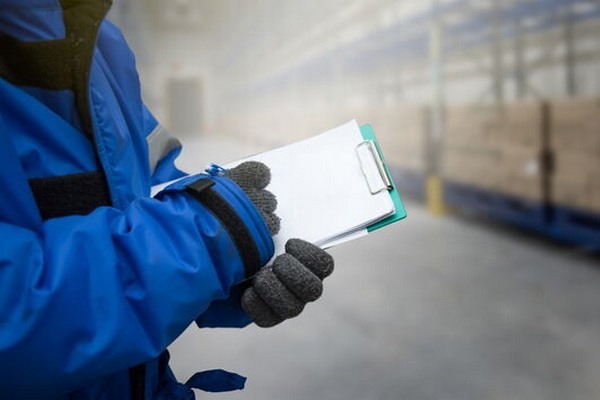
Fresh fruit and vegetables arriving in the Netherlands are checked at designated Inspection Centres in the port. Freight forwarders submit documentation to the NVWA, while Customs plays a parallel role. Long lead times have sometimes resulted in reefer containers remaining at terminals for extended periods, increasing demurrage charges and raising the risk of quality deterioration. Limited visibility of inspection-point capacity has also led to planning difficulties across the chain.
The working group aims to address these structural bottlenecks. For forwarders and importers, the goal is more predictable document-processing times and clearer insight into inspection-centre capacity, allowing for better scheduling.
Several measures have already been introduced. A new dashboard provides transparency on lead times, capacity, and occupancy at inspection points. Updated operational guidelines aim to reduce input errors during registration, enabling NVWA and Customs teams to work more efficiently. Improved coordination between parties has also been emphasised.
According to the Port of Rotterdam Authority, early results point to shorter Customs processing times when documentation is submitted correctly, enabling more fresh produce shipments to be cleared within the same timeframe. This reduces waiting periods and limits quality risks in the cold chain.
Peter Verbaas of the NVWA said that while safety oversight remains central, efficiency within the import process is increasingly important. He noted that chain partners are now more engaged in understanding each other's processes and contributing to shared improvements.
The working group will continue implementing enhancements until early 2026, after which the Import Sector Committee will assess whether additional steps are required.
 © Port of RotterdamFor more information:
Port of Rotterdam
Tel: +31 (0) 10 252 10 10
www.portofrotterdam.com