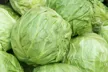
Korea has secured an update to the international standard for kimchi, with the term "kimchi cabbage" added to the Codex Alimentarius during the 48th session held in Rome from Nov. 10 to 14. The Codex Alimentarius Commission, operating under the World Health Organization and the Food and Agriculture Organization, approved Korea's request to expand the ingredient terminology beyond Chinese cabbage and napa cabbage. Korea first proposed the Codex kimchi standard in 2001.
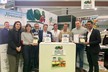
The Ministry of Food and Drug Safety, the Ministry of Agriculture, Food and Rural Affairs, the Ministry of Oceans and Fisheries, and the Korea Food Research Institute highlighted this outcome at the meeting. According to the ministries, the update will help distinguish Korean kimchi from other products and support branding and export positioning.
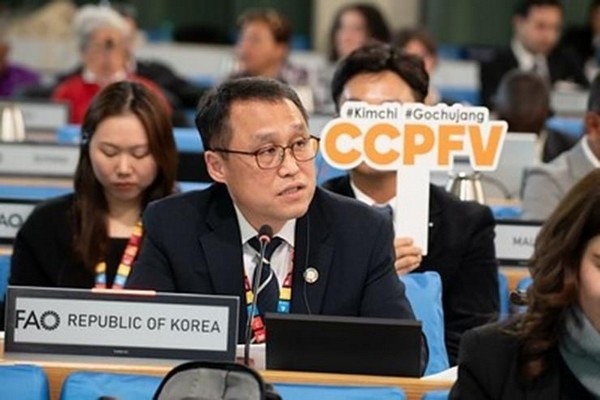 © Courtesy of Ministry of Agriculture, Food and Rural Affairs
Codex also approved the start of international standardization for gim, or dried seaweed. Until now, dried seaweed had only been listed under regional Asian standards. Korea proposed the global adoption process and received broad support from Codex member countries. The ministries stated that global standardization could support confidence in Korean gim and help expand exports, with the government targeting US$1 billion per year.
Seaweed consumption continues to grow in multiple regions, and Korea expects the new standardization pathway to help reinforce its role in defining product specifications for dried seaweed moving into export channels.
Korea was also elected to chair the Codex Committee on Processed Fruits and Vegetables. This will allow the country to take part in shaping international standards for processed categories linked to its traditional foods, including kimchi, gochujang, and ginseng. The committee also addresses standards for produce categories common in Asia, including sweet potatoes, chestnuts, and persimmons.
Korea has previously chaired the ad hoc Task Force on Antimicrobial Resistance and the coordinating committee for Asia and has co-chaired the Codex Committee on Food Additives. The ministries said the new role will help Korea respond to overseas food regulations and support the expansion of K food markets.
Ken Lowery, head of the U.S. delegation and former chair of the Processed Fruits and Vegetables Committee, said Korea has shown strong leadership in Codex work and that the United States will support Korea as it assumes the subcommittee role.
Following the outcomes in Rome, the Korean government plans to strengthen cooperation with domestic and international partners to support global standardization efforts for gim and to manage the operation of the Processed Fruits and Vegetables Committee.
Source: The Korea Times