East Africa's avocado supply is currently low, with most seasons winding down except for a few exceptions, says Jai Kabra, co-founder of Kenyan trading company Truport Transcontinental Limited. "Only limited quantities continue to reach markets. Kenyan Hass avocado season has ended, with government restrictions limiting sea consignments to protect upcoming crops and local farmers."
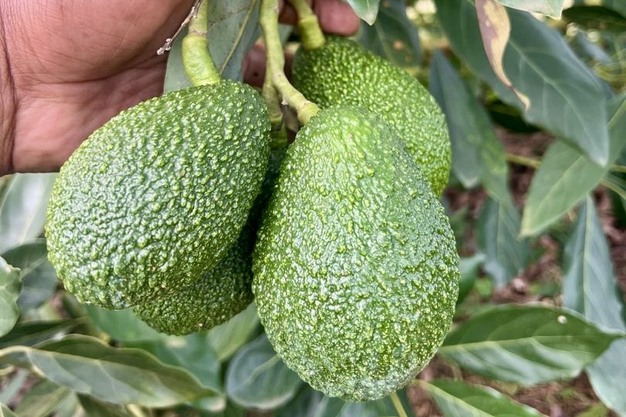
According to Kabra, "Tanzania continues to have relatively good availability, though not enough for container shipments, but sufficient volumes for regular air shipments, which can maintain continuity in the Indian market. Prices have risen in this period, but the focus is on ensuring supply even with minimal or no profits."
 © Truport Transcontinental Limited
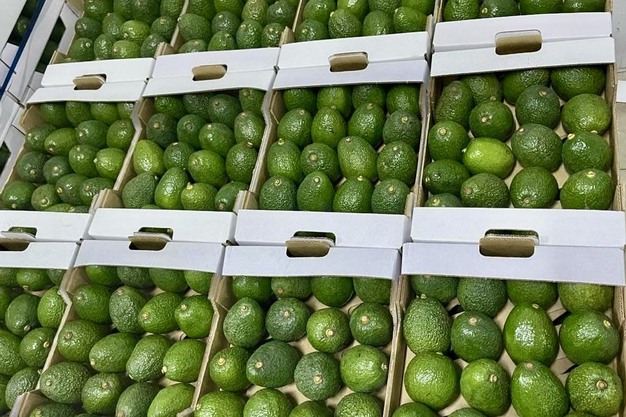
Kabra notes that import patterns have shifted since September, with buyers proactively turning to air freight to bridge supply gaps. "Air shipments to India are expected to continue until January 2026, when container-load volumes will return with the new harvest season."
Prices during the off-season are higher by USD 0.6 to 0.9 per kilogram. Kabra maintains that markets generally absorb these fluctuations, but the Indian market expectations have been less flexible this season. "Importers in India are yet to fully adapt to origin, quality, supply chain differences, as well as pricing dynamics. A majority of them focus on volume movement rather than creating market segmentation based on these variable factors," Kabra highlights.
 © Truport Transcontinental Limited
Observing supply shortages, supply chain disruptions, and governance challenges affecting operators this off-season, Truport stepped up its coordination with local ground partners, prioritizing air shipments to cover drought-impacted shortfalls, while carefully planning for the next season. Kabra highlights that Tanzanian Hass avocados remain the Indian market's all-time favorite, primarily due to their duty-free access and faster transit times that deliver fresh, competitively priced fruit.
"However, in the weeks ahead, Latin American suppliers will see increased demand due to East Africa's low season. Chile and Peru will not aggressively capitalize on this moment and instead focus on sustaining a steady supply at higher costs while maintaining a distinct market segment, shaped largely by their strong branding and marketing strategies. The coming weeks will test supply chains, buyer relationships, and market resilience," Kabra concludes.
For more information:
Jai Kabra
Truport Transcontinental Limited
Tel: +254 707 817 297
Email: [email protected]