Bahia remains one of Brazil's key watermelon-producing states, supported by favourable climate conditions, technology adoption, and information exchange among growers. In 2024, Brazil produced 1.978 million tonnes of watermelon, generating revenue of R$2.425 billion (approximately US$435 million), according to IBGE. Bahia accounted for 231,934 tonnes, with 14,905 hectares under cultivation.
Teixeira de Freitas, located in the far south of Bahia and home to more than 145,000 inhabitants, is one of the state's principal watermelon-growing municipalities. The region has become a production hub known for high productivity and the adoption of advanced production systems. According to Golmar Beppler, National Sales Manager BASF/Nunhems, producers in the area aim to take advantage of periods of strong consumption, especially during the warm end-of-year months.
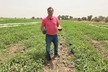
Grower Valter Nagao has produced watermelon in the municipality for 25 years, alongside pumpkin in some areas. His current watermelon yields are around 60 tonnes per hectare, and he notes that production remains viable. "At the moment, yes. Every crop goes through difficult times with prices, weather, and diseases, but from our perspective, it has been profitable," he said. Weather events and insect pressure remain the main challenges.
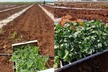
Nagao pointed to recent changes in production practices. "In the last 10 years, technology has changed a lot. Today, we've moved towards drip irrigation, we're starting with mulching for weed control, and using sunscreen to avoid having to cover the fruit. The technology of products and materials for each time of year has also evolved significantly," he said.
Teixeira de Freitas hosted Tecshow Melancia, an event developed by BASF/Nunhems that began in 2024 in Goiás and is expected to expand to more regions. The event focuses on technology transfer and industry coordination. Beppler said the objective is to engage producers, distributors, retailers, and consultants to reduce losses and expand integrated supply models, including packing houses.
Nagao opened his farm to participants and noted the benefits of technical exchange with growers from various regions. "It's a pleasure to welcome distributors from Brazil and partners who contribute to the culture. It's an opportunity to promote Teixeira de Freitas, which ranks among the most important in terms of cultivation and production area in the country," he said. He added that visiting other watermelon-producing regions such as Goiás, northern Brazil, and Mossoró/RN helps identify new products and practices suitable for local conditions.
Source: AgroLink / Abrafrutas