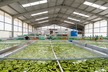
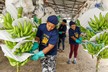
During the China International Import Expo (CIIE) 2025, held in Shanghai from November 5 to 10, Colombia formalized a trade agreement with China that will allow banana exports to begin in 2026. The accord is part of broader efforts to diversify Colombia's export markets and strengthen agricultural trade with Asian partners.
According to Colombia's Ministry of Commerce, the agreement outlines annual export targets of 15,000 tons of bananas, alongside other agricultural products. The deal follows Colombia's recent accession to China's Belt and Road Initiative, which aims to deepen bilateral cooperation in trade and infrastructure.
César Pachón, president of Colombia's Rural Development Agency (ADR), said, "We just held a very important coffee tasting. This is the company that buys the most coffee here in China, with stores all over the world. It imports around 80,000 tons per year; now we'll see how much we can supply from Colombia." He noted that for bananas, one Chinese company has already requested 200 containers, and discussions are underway regarding pricing, quantities, and delivery schedules.
The agreement also includes the establishment of a direct maritime route with COSCO Shipping, China's largest shipping company, to reduce logistics times and improve transport efficiency. Colombian authorities expect the route to improve competitiveness by cutting delivery times to Asian markets.
ADR representatives said the goal is not only to increase export volumes but also to ensure that rural communities and small producers are directly involved in the supply chain. The plan includes participation from Indigenous, Afro-descendant, and historically marginalized groups to ensure equitable benefits across production regions.
However, the implementation of the new trade deal depends on meeting China's import requirements. Colombian producers will need to comply with strict quality, sanitary, and traceability standards before shipments can begin. This process includes certifying farms, upgrading infrastructure, and improving logistics coordination across the production chain.
The logistics network also requires investment in port facilities and transport systems to maintain competitiveness against other banana-supplying countries in the region. Product differentiation, such as origin-based labeling and traceable production systems, is seen as essential for establishing long-term market presence in China.
Colombian President Gustavo Petro said the new agreement aligns with national efforts to diversify agricultural exports and promote legal crop substitution programs. He stated that expanding exports to new destinations will support economic development while reducing dependence on traditional markets and raw commodity exports.
Source: ColombiaOne