The U.S. Department of Agriculture (USDA) has granted $519,000 to the Alabama Department of Agriculture and Industries (ADAI) through the Specialty Crop Block Grant Program (SCBGP). The funding will support 14 projects aimed at improving the competitiveness of Alabama's specialty crop sector through research, education, and marketing initiatives.
The SCBGP, which provides a total of $72.9 million in non-competitive funding across all U.S. states and territories for FY 2025, focuses on specialty crops such as fruits, vegetables, tree nuts, and nursery products.
Alabama's funded projects address challenges in production efficiency, pest management, sustainability, and market access.
One project, "Protected Culture Production of Strawberry Plant Materials in Alabama," will test new propagation methods to provide growers with locally produced, high-quality plants. Another initiative, "Tackling Strawberry Shelf-Life Issues for Alabama School Systems," seeks to extend the fruit's short post-harvest life by testing relative humidity exposure.
Sweet potato growers will benefit from "Sustainable Sweet Potato Farming: Nematode Management and AI-Based Crop Monitoring," which targets nematode infestations using peptide-based solutions. Meanwhile, "Introduce Disease-Tolerant Strawberry Cultivars to Combat Neo Disease" will identify varieties resistant to Neopestalotiopsis rot.
Additional projects focus on crop resilience and new technologies. These include "AI-Based Precision Weed Management for Vegetable Crops," "Nano-Enabled Herbicides for Season-Long Control of Weeds in Young Pecans and Peaches," and "Efficient Propagation and Growing Practices to Expedite Kiwifruit Farming," which builds on Auburn University's work with gold-fleshed kiwifruit varieties.
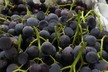
The "Alternative Disease-Resistant Specialty Crop for Sustainable Family Farms" project will assess Pierce's disease-resistant grape cultivars, while "Integrated Management of Plant-Parasitic Nematodes and Fungal Diseases in Sweet Corn Production in Alabama" will combine resistant varieties, biological control, and crop rotation.
The state will also evaluate "UAV Chemical Applications for Specialty Crop Labor Savings," exploring drone technology to reduce labor costs in nurseries, orchards, and Christmas tree farms.
Other initiatives include improving soil health, increasing access to food safety certifications through GAP/GHP audit reimbursement, and supporting student awareness of specialty crops through the "Alabama Seed-to-Table Specialty Crops for Young Learners" project.
ADAI will oversee project implementation in collaboration with research institutions, producer organizations, and industry partners. Each project is scheduled to begin in 2025.
For more information:
Johnny Blackmon
Alabama Department of Agriculture and Industries
Tel: +1 334 240 7257
Email: [email protected]
www.agi.alabama.gov