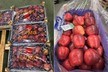
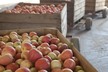
In Nepalgunj and Kohalpur, apples imported from India have now been replaced by apples produced in Karnali Province. Until recently, apples from China and India dominated these markets. However, organic apples from Jumla, Kalikot, Humla, and Mugu are now widely available, reducing the presence of imported fruit.
Local fruit trader Ramzan Kabadiya said that Nepali apples are cheaper and therefore preferred. "While Indian apples were being sold at Rs. 250 per kilo (US$3), Karnali organic apples were available in Banke for Rs. 150 per kilo (US$1.80). Due to this, the sale of Indian apples has stopped in the market," he said.
K.P. Adhikari, a wholesaler in Kohalpur, noted that supplies from Jumla and Kalikot have increased. According to him, demand for Karnali apples is strong because Indian apples are more expensive and less preferred by consumers. He added that three to five tons of apples supplied from Karnali are sold daily at the Agricultural Produce Centre in Kohalpur.
In Nepalgunj, fruit wholesaler Shamsher Miya confirmed that he has stopped importing other apples as demand for Karnali apples is high. He reported that more than five tons are currently being so23ld daily at the Nepalgunj wholesale fruit market. In addition, Karnali apples are beginning to move across the border into India.
Retail traders in Rupaidiha, near the border, are also selling Karnali apples.
With demand increasing, large volumes of apples are being stored at the Bheri Cold Storage Cooperative in Kohalpur, according to its management.
Source: Rising Nepal