Bangladesh is projected to produce around 2.7 million tons of mangoes in 2025, with approximately 5,000 tons planned for export, according to the Department of Agricultural Extension.
Chinese Ambassador to Bangladesh Yao Wen said the entry of Bangladeshi mangoes into the Chinese market will expand bilateral trade volume, address trade imbalances, and reflect the mutually beneficial nature of economic cooperation. Yao and Bangladeshi Commerce Adviser Sheikh Bashir Uddin attended the departure of the first mango shipment to China from Hazrat Shahjalal International Airport in Dhaka.
Yao credited Bangladesh's Ministry of Commerce, Ministry of Agriculture, and Export Promotion Bureau for facilitating the inaugural shipment. He noted that mangoes grown in the Ganges Delta represent green and high-quality agricultural products. For Bangladesh, access to the Chinese market is expected to drive industrial upgrading in the mango sector, increase employment, and support socioeconomic development.
Razia Sultana, proprietor of Global Trade Link, sees potential for mango exports to China, citing demand for high-quality tropical fruits. She said success will depend on meeting phytosanitary requirements, ensuring a consistent supply, and establishing strong distribution partnerships. Sultana added that with the right strategy, China could become a key export destination for Bangladeshi mangoes.
However, Bangladeshi exporters face competition from established suppliers to China, including Thailand, Vietnam, the Philippines, Pakistan, and Peru. These countries often benefit from trade agreements or geographical advantages that influence pricing and market share. Sultana said maintaining strict quality control, improving packaging, developing cold chain infrastructure, and meeting China's regulations will be important for strengthening Bangladesh's position.
Beyond China, Bangladeshi mangoes are exported to the Middle East, other Asian countries, Canada, and the European Union. Kamal from Meridian Group said the fruit's qualities are linked to soil and climate conditions, and that the company emphasizes natural harvesting practices. The group plans to apply its existing international marketing strategies in China, focusing on quality and organic production. Meridian also operates its own nurseries, expanding capacity annually.
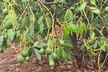
China expects to sell over 100 tons of Bangladeshi mangoes in the first year. In Rajshahi, known for producing high-quality mangoes from May to August, growers have adopted Chinese bagging technology to reduce chemical use.
Bangladeshi growers are also seeking market access for guavas and jackfruit in China. Export procedures involve registration with the Plant Quarantine Department and the General Administration of Customs of China's platform. Yao said China has started reviewing access for these fruits and is also discussing imports of other agricultural and fishery products.
This year marks 50 years of diplomatic relations between China and Bangladesh, with China being Bangladesh's largest trading partner for 15 consecutive years.
Source: China Daily