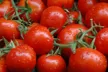
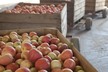
The renowned apples from Cheongsong, South Korea, frequently exchanged in gift boxes during holidays, may face challenges due to increasing pressures from U.S. apple imports. Approximately one-third of Cheongsong's 14,000 households engage in apple farming, expressing concerns over competition from cheaper U.S. imports. The South Korean trade minister hinted at possible concessions on agricultural imports while highlighting the protection of sensitive items amidst U.S. tariff talks.
Shim Chun-taek, a local farmer, voiced concerns: "U.S. apples are very cheap. We can't compete with them," illustrating fears that local agriculture might be compromised to benefit the manufacturing sector. The U.S. advocates for better market access for its agricultural products. Despite some market openings, non-tariff barriers persist, with Korea's quarantine agency still assessing U.S. apple import requests after over three decades, leading to calls from the U.S. for expedited approvals.
The potential opening of South Korea's agricultural sector increases pressure on apple farmers already contending with climate change, an ageing farmer population, and rising production costs. Bank of Korea governor Rhee Chang-yong highlighted inflation concerns linked to soaring apple and farm goods prices, suggesting increased imports as a measure. South Korean agricultural prices exceed OECD averages, with apple prices nearly tripling the average.
Choi Seok-young, former chief negotiator for the Korea-U.S. trade deal, remarked, "I think it is difficult to justify absolute protection to certain agriculture sectors simply because of their high sensitivity," questioning the rationality of the protracted quarantine processes as aligned with scientific and international standards.
South Korea's agricultural sector remains a contentious point in U.S. trade negotiations, with Shim asserting, "We oppose the imports of apples no matter what," as farmer protests loom over potential tariff reductions. Cheongsong's mayor, Youn Kyung-hee, warned of local resistance should the market open.
Source: Reuters