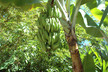
Southwestern Ethiopia is aiming to enhance its agricultural status by focusing on avocado and banana cultivation, driven by abundant rainfall and fertile land, according to the state's Agriculture Bureau.
Ashenafi Kinfu, Deputy Head of the Agriculture Bureau, informed the Ethiopian Press Agency that over 200,000 hectares are devoted to fruit crops, with bananas covering more than 80,000 hectares. These are sustained by the region's consistent rainfall lasting up to eight months a year.
Avocado is central to Ethiopia's horticulture goals, with plans to increase its cultivation from 30,000 to 150,000 hectares within five years. "Avocado has great potential to boost Ethiopia's foreign exchange earnings and food security," he stated.
A cooperative strategy with regional and federal bodies is in place to provide improved seedlings, advance farmer training, and enhance market connections. This year, under the Green Legacy Initiative, 240 million seedlings were prepared, including 48 million fruit seedlings, 1.8 million of which are avocados.
Currently, domestic production supports oil refineries in Jimma and Yirgalem, among others, with efforts underway to target the international market. A research team, funded federally, operates in 25 avocado-growing districts to guarantee sustainability and market preparedness.
Farmers traditionally produce up to 300 quintals. "If we support this in a modern way, it will make a significant contribution to Ethiopia's foreign exchange earnings, the country's food system, and food security. With this in mind, extensive work is being done," Ashenafi explained.
The Deputy Head acknowledged existing obstacles such as quality seed shortages, market access issues, and reliance on traditional methods, which are being addressed through modernization initiatives. Southwestern Ethiopia, with ample uncultivated land and institutional support, aims to become a global player in the avocado export market.
Source: Herald