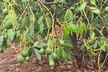
Gujarat's mango exports have shown a consistent increase over the past five years, reaching 856 metric tons in 2024–25 and totaling over 3,000 metric tons since 2019. The mangoes have been distributed to several international markets, including the U.S. and South Africa, with the Kesar variety being notably sought after due to its unique flavor and aroma, as noted by the Gujarat government.
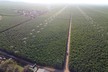
State Agriculture Minister Raghavji Patel indicates that mango cultivation spans approximately 1.77 lakh hectares in the region, constituting 37% of Gujarat's overall fruit cultivation area. Key mango-producing areas are Valsad, Navsari, Gir Somnath, Kutch, and Surat, with Valsad alone accounting for more than 38,000 hectares of mango farming in 2024–25.
The Gujarat Agro Radiation Processing Facility in Bavla, near Ahmedabad, supports the state's export activities. This unit handled 224 metric tons of irradiated Kesar mangoes this year, processing a total of 805 metric tons over five years. As Gujarat's first and India's fourth such facility, it is certified by the United States Department of Agriculture (USDA)-Animal and Plant Health Inspection Service (APHIS).
The facility has streamlined the export process, enabling direct processing, packing, and exporting from Ahmedabad, minimizing transport costs and spoilage. This development is paralleled by infrastructure enhancements such as an integrated pack house and a perishable air cargo terminal, overseen by the Gujarat Agro Industries Corporation.
Mango cultivation is a core horticultural practice in Gujarat, particularly in districts like Valsad, Navsari, Junagadh, Gir Somnath, and Bhavnagar. The Kesar mango, especially from the Gir region, holds a Geographical Indication (GI) tag with over 1.3 lakh hectares of land producing more than 10 lakh metric tons annually. The sector involves 75,000 to 80,000 farmers, supported by the government and agricultural institutions through various schemes and training.
Source: The Hans India