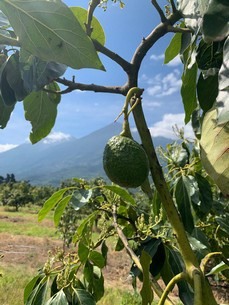
 © Anaguacate After more than a decade of cooperation between the Guatemalan Ministry of Agriculture and the USDA-APHIS, the Central American country is close to completing the process that will allow it to export Hass avocados to the U.S. market. This was stated by Anaguacate president Francis W. Bruderer, who has been leading the efforts of the Guatemalan private sector in coordination with the authorities.
"The Working Plan has already been signed; now we are in the final stage, which is the USDA's validation of the protocol for the national auditing body, PIPAA," says Bruderer. This will determine when trade can officially begin. Currently, there are five packers and 14 farms already registered, while another seven are in the process.
Entering the U.S. market represents a strategic opportunity for the country. In contrast to Europe (Guatemala's traditional market), where shipments take between 22 and 35 days to arrive, the fruit will arrive in the U.S. within nine days. "This means fresher fruit and better presentation, which will allow us to compete in terms of quality, our real strong point," says Bruderer.
"Opening up this market will also speed up our entry to other demanding destinations, such as Japan or China, as these countries work with the American protocols as a reference," he says.
 © Anaguacate
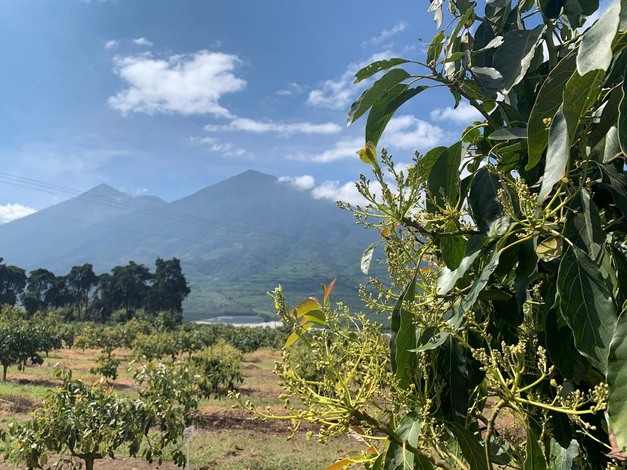
"Guatemala, where Hass avocado genetically comes from, has approximately 3,400 hectares devoted to the crop, compared to 270,000 hectares in Michoacán. We do not represent a threat to Mexico, neither in terms of volume nor in market share. Mexico exports more than 1,200 containers per week in the high season; we are only expecting to deliver 600 in the whole year," he says.
However, Guatemala is committed to consolidating its position as a premium fruit source. "Our advantage is quality. Guatemalan growers have a rigorous production culture, and we are working with experts from countries such as Mexico, Chile, and Peru to improve even further," he says.
 © Anaguacate
"In addition to the protocol with the U.S., we have recently signed an agreement with Argentina and are actively working to reach one with Chile. Every new market that opens up is an opportunity to diversify our supply. Not all fruit is visually perfect, but it still has excellent flavor. Having access to different markets is allowing us to make the most of the full potential of each hectare," he says.
Phytosanitary compliance has been one of the most demanding challenges, especially when it comes to quarantine pests such as the Macrocopturus aguacatae beetle, which can damage the fruit from the inside. To ensure compliance, Anaguacate has implemented an educational program that includes technical support for producers, especially small and medium-sized ones.
 © Anaguacate
"This industry won't be successful if only the big players grow. The future lies in boosting the technical development of small growers and making them capable of competing in demanding markets. Avocado cultivation can be a powerful tool for rural development, which can help reduce migration and strengthen Guatemalan families," says Bruderer.
 For more information:
Francis W. Bruderer
Anaguacate
Guatemala
Tel.: +502 5511 4381
[email protected]
www.anaguacate.com