Ecuador's dragon fruit sector is encountering challenges in 2025 as producers face crop damage and price declines. Ramón Martínez, manager of Hacienda Laia Margarita, described the conditions as "devastating." Heavy rains and oversupply in the U.S. market exacerbate the situation.
In Manabí, Ecuador's primary production area, weather disruptions have led to flooded fields, impacting 176,370 pounds of fruit. Martínez highlighted issues with the remaining poor-quality harvests, a deviation from Ecuador's usual standards.
"The winter has left us in great hardship," Martínez told FreshfruitPortal.com. Exports have decreased, totaling less than half of last year's 112 shipments. Producers face financial difficulties, though extended loan repayment terms offer some relief.
With winter concluding, Martínez remains cautiously optimistic. He indicated that managing supply levels is critical as other countries, including Spain, Peru, and Mexico, produce substantial dragon fruit volumes. Ecuador's production spans over 3,188 hectares, with heightened competition in the U.S. market.
Martínez observed a shift in consumption as demand stabilizes. "Dragon fruit consumption is starting to normalize because people are becoming more familiar with it," he noted, attributing it to the fruit's exotic nature.
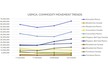
Retail prices have experienced turbulence. Martínez reported a price drop from $2.27 to 27 cents per pound. Although recent crop recovery is noted, current production levels remain lower than in past years when sowing covered 300 to 357 hectares.
Market volatility raises skepticism among buyers aware of the surplus. Farmers sometimes give away produce, with prices dipping to 9 cents per pound. "No one can bear that," Martínez emphasized, recommending a fair market price of $0.91 to $1.14 per pound. "That would be a fair price, which should be set here in Ecuador, and everyone should respect it," he stated.
Hacienda Laia Margarita, in operation for nearly a decade, has established its brand, packing facility, and customer base. "We open and close the cycle," Martínez explained, offering consistency despite market fluctuations.
In conclusion, Martínez remarked, "We are surviving, we are not making money, waiting to see what the market dictates."
Source: FreshFruitPortal