Reports indicate that despite official declarations of strict enforcement of phytosanitary standards for mango exports, untreated shipments are reportedly leaving Pakistan, potentially affecting access to markets like Iran, the European Union, and Australia. Exporters and operators of hot water treatment (HWT) plants have expressed concerns about non-compliance with mandatory treatment protocols.
HWT plant owners in Multan have observed mango consignments being dispatched without undergoing the essential hot water treatment process. "Not a single consignment has been treated at our facility, yet mangoes are being loaded and dispatched from Multan and Rahim Yar Khan," said a plant owner. Others, including Mr. Malik Akram and Mr. Tariq Khan, have noticed similar trends, stating, "We are unaware of who is treating the fruit or where, if at all."
Traders in Punjab report that phytosanitary certificates are allegedly issued at the Iranian border, questioning compliance. "Truckers load mangoes directly from farms, claiming they have the required documents," noted a mango exporter. Despite awareness of this issue, ground enforcement is perceived as weak, as some exporters allege selective restrictions in Karachi by Joint Secretary Bilal Hussain, leading to claims of favoritism.
Barrister Junaid Khan, in a formal complaint to the Prime Minister, alleged that a group linked to a politically connected clearing agent exploits compliance gaps. He noted deficiencies in hygiene infrastructure and standards critical for pest elimination in certain facilities.
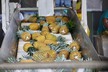
The National Agri Trade and Food Safety Authority (NA&FSA) now handles compliance monitoring, having taken over from the Department of Plant Protection (DPP). HWT plants must undergo audits, maintain surveillance during treatment, and ensure traceable documentation. Insiders report delays in audits and alleged accreditation without fulfilling requirements. Concerns about interference in staffing and oversight attempts have fueled fears of cartelization.
According to Pakistan's export agreement with Iran, fruit fly detection can lead to a one-year suspension of the involved HWT facility. Some exporters argue that hot water treatment adversely affects shelf life and quality, leading to attempts to bypass it. With peak export season ongoing, stakeholders emphasize the necessity for consistent enforcement and transparent oversight to comply with international safety standards.
Source: Profit