The South Korean Ministry of Agriculture, Food and Rural Affairs revealed strategic interventions on June 9 to stabilize vegetable prices in the face of summer's erratic weather. The initiative includes expanding reserves of cabbage, radishes, and onions, alongside proactive supply and demand measures aimed at mitigating instability from adverse weather, such as heavy rain and heat waves.
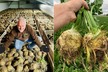
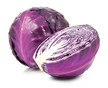
The ministry noted that increased yield in spring-grown cabbage and radishes, as well as onions and garlic, indicates a stable vegetable supply. However, there is volatility concerning summer cabbage, shipments of which span from July to October. Weather adversities like heat waves deepen unpredictability in crop conditions, raising concerns over market supply potentially dwindling in August and September. This apprehension is echoed in the 9% decrease in the area designated for summer cabbage cultivation compared to the previous year.
In mitigation, the ministry secured about 4,000 tons of additional cabbage through pre-contracted purchase agreements with farmers capable of supplementary shipping in August and September. Concurrently, the government intends to stockpile spring cabbage at unprecedented levels, responding to amplified production.
Greater onion yield has resulted in decreased market prices, prompting government action to stabilize supply by isolating 30,000 tons from the market, delaying the shipment of 5,000 tons, and reinforcing export support.
In the fruit sector, supplies remain constant, buoyed by diversified shipments of the 2024 harvest. Despite worries regarding wildfire impacts in North Gyeongsang's apple-producing areas, only 473 hectares, constituting 1.4% of national cultivation, are affected. A ministry spokesperson indicated minimal adverse weather impact, projecting production comparable to an average year. Nonetheless, hail damage may slightly reduce the proportion of top-tier products.
Source: ChosunBiz