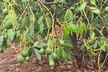
Shifting consumer preferences in India are reviving lesser-known mango varieties like Husnara and Ratol, particularly in the famed orchards of Malihabad, Lucknow. Traditionally dominated by the popular Dussehri mango, the region is now experiencing a surge in demand for unique flavors, prompting growers to diversify their crops. This trend is emerging despite ongoing challenges such as erratic weather, rising production costs, and the spread of counterfeit pesticides.
Malihabad, once almost singularly associated with Dussehri, is seeing renewed interest in older, traditional varieties like Husnara, Totapari, Ratol, and Langda. These cultivars were widely grown about 50 to 60 years ago but had declined in popularity due to market consolidation around a few dominant names like Dussehri, Chausa, and Safeda. Today, a broader focus on traditional taste and diversity is driving their comeback.
Farmers are now cultivating more red-fleshed and aromatic mangoes such as Surkha Matiyara, Amrapali, Malka, Tommy Atkins, Tuqmi, and Husnara. These varieties are fetching premium prices, selling for the equivalent of approximately $0.96 to $1.44 per kilogram, compared to mainstream varieties like Dussehri and Chausa, which are priced around $0.48 to $0.72 per kilogram.
Among the varieties making headlines, Ratol stands out for its rich aroma and sweetness. Originating from Ratol village in Baghpat district, it has gained international recognition through promotion efforts in countries including the United States, China, and across the Gulf.
However, despite the renewed interest and higher pricing, growers are navigating difficult conditions. Adverse weather patterns and increasing input costs are affecting overall profitability. While Uttar Pradesh is expected to produce approximately 3 million metric tonnes of mangoes this year—up from 2 million metric tonnes last year—the actual harvest is below expectations due to early flowering losses. Compounding the situation, counterfeit pesticides have worsened crop quality and increased financial strain. In response, plans are being considered to establish a dedicated laboratory in the state to verify pesticide authenticity and support disease diagnosis in mango orchards.
As India's mango market embraces diversity, the resurgence of long-forgotten varieties marks a return to flavor and biodiversity. However, the sustainability of this revival will depend on stronger quality controls, targeted support, and continued investment in modern agricultural infrastructure.
Source: AgroSpectrum