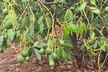
Gujarat's mango growers are navigating weather-related challenges as a severe heatwave coincides with forecasts of unseasonal rainfall from May 3 to 6. The India Meteorological Department (IMD) warns of potential crop impacts in South Gujarat and Saurashtra, with temperatures reaching 44°C in Ahmedabad and Rajkot.
The anticipated rain, combined with thunderstorms, lightning, and winds of 30–40 kmph, threatens key mango districts such as Valsad, Navsari, Surat, Amreli, Gir Somnath, and Junagadh during peak harvest. "The mangoes are almost ready for harvest. If the rains come with wind and lightning, the fruits will fall prematurely and rot. We have no way to protect them," stated Bhupatbhai Patel, a grower from Valsad.
IMD indicates that rain will commence on May 3 in northern districts like Banaskantha and Sabarkantha, gradually extending to central, southern, and coastal areas, affecting Navsari, Valsad, and Amreli by May 6. Farmers express concerns over financial losses due to this unexpected weather, with Kiritbhai Desai from Gir Somnath highlighting the investments in fertilizers, labor, and transport.
The ongoing heatwave alert for Rajkot, Ahmedabad, Surendranagar, Morbi, Botad, and Kutch raises additional concerns of crop sunburn prior to the rain. Agriculture experts recommend local advisories for protective measures such as netting or early harvest in vulnerable areas.
With mango exports from Gujarat expected to start in mid-May, any crop damage could affect both domestic supply and international trade, impacting markets in the Gulf and Europe.
Source: The Blunt Times