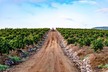
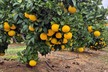
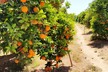
The king orange, a citrus variety, has experienced fluctuating cultivation trends in Vietnam's Mekong Delta. Between 2013 and 2020, it emerged as a lucrative crop, transforming many farmers' livelihoods. Profits soared, with annual earnings reaching into the millions of USD, prompting a widespread shift to king orange farming.
This shift was driven by the fruit's compatibility with the delta's soil, high yields, and market prices ranging from $0.59 to $0.98 per kilogram. Farmers rapidly replaced traditional crops, often leasing land at high rates to grow king oranges. According to farmer Vo Thanh Nhan from Vinh Long Province, "Prior to 2020, orange growers enjoyed exceptionally high returns, making it a veritable golden age for king oranges."
However, in recent years, orange prices have seen a sharp decline, with traders sometimes refusing to buy, leaving growers to discard their harvests. Many farmers now face debt and land abandonment. Attempts to secure loans using land as collateral are often denied due to market volatility.
The Vinh Long Provincial People's Committee's agricultural plan initially targeted 9,000 hectares of orange cultivation by 2020, but by 2024, this had expanded to over 18,000 hectares—double the target. This expansion, particularly in Tra On, Tam Binh, and Vung Liem districts, led to a production surge, contributing to market oversupply and price drops.
Other provinces, including Tra Vinh, Dong Thap, Tien Giang, and Ben Tre, also experienced uncontrolled growth in king orange cultivation. In Tra Vinh, the King Orange area expanded significantly, with Cau Ke District alone covering over 2,600 hectares. Deputy Director Le Van Dong noted that price declines resulted from spontaneous and excessive expansions driven by short-term trends rather than strategic planning.
Northern regions, once key consumers, now grow their own oranges, diminishing the Mekong Delta's competitive edge. Currently, King Oranges relies solely on domestic markets, with no official export channels. The provincial agricultural sector advises against further expansion due to concerns over oversupply.
The planting of new orchards has stabilized, influenced by low prices that have made growers more cautious. Tra On District's agricultural sector is encouraging the adoption of VietGAP and GlobalGAP standards to meet market demands. Despite these efforts, experts predict king orange prices may not return to pre-2020 levels soon. The Mekong Delta faces a complex supply-demand challenge, compounded by the lack of processing facilities to diversify and add value to king orange products.
Source: SGP News