Grapes are experiencing a vibrant moment, but also one that is leaving Italian producers in a state of limbo. Prices for both seeded and seedless grapes are high, but at least 30 percent of the product is missing. The consumption of traditional seeded grapes has increased compared to the past. Is this a new trend or an exception? What will winemakers decide at the beginning of next year about the future of the sector?
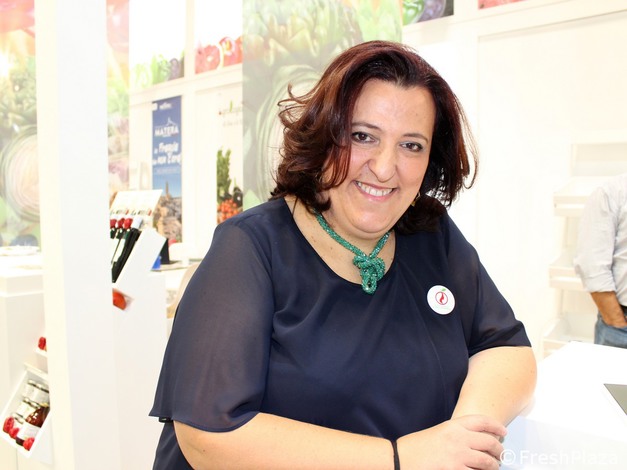
"The fact that prices are high does not automatically translate into full optimism, because production costs are constantly rising and the increase in price cannot be extreme, otherwise we risk losing customers," says Teresa Diomede (pictured below), owner of Racemus winery and member and director of the APOC Zonal 1 sales office.
According to Diomede, productivity has been the most problematic this year. "Weather conditions and the lack of skilled labor are two factors that should not be underestimated in the planning of campaigns. Considerable investments are being made in terms of varieties, and there is a risk that the wrong choices will be made at the beginning of next year, when the season comes to an end."
The producer of seeded and seedless grapes stresses the importance of understanding the behavior of customers, large retailers and consumers, even in an exceptional campaign. "We have seen a great increase in the consumption of traditional seeded grapes to the detriment of seedless grapes, which on the other hand have seen a not inconsiderable increase in recent years. I wonder if this is an exception. Or is it that all the work done over the years to promote seeded grapes is now bearing fruit?" asks Diomede. "In January, we will have to make a decision, and hopefully the right one."
In the meantime, the new grapes from Brazil will arrive in about 20 days and the new grapes from Peru will arrive in about 10 days. However, it is still difficult to say how the market balance will change. These countries have experienced several adverse climatic phenomena.