Scientists in Taiwan help prevent passion fruit disease
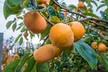
Farmers were hit with the commercial loss, and horticulturists at the Taiwan Agricultural Research Institute worried about the fate of their once-promising Tainong No. 1. Tainong No. 1, the first and sole native passion fruit cultivar. It is a red fruit with white flecks and when ripe they weigh around 65 grams each.
In 1981 horticulturists are the Taiwan Agricultural Research Institute discovered a passion fruit that could thrive on the island. The common passion fruit from Brazil never won favour in the local market. They later found a yellow cultivar from Hawaii but it was too expensive to grow.
Tainong No. 1 was "less sour than other types and it helped upgrade the industry from just juicing to fresh consumption" said Lee Wen-Li, horticulturist. "Before we had Tainong, the passion fruit industry was not much to speak of."
Unfortunately, Tainong proved very prone to infection. After woodiness wiped out nearly 1,000 hectares in 1986, the Taiwan Agricultural Research Institute rolled out a planting policy designed to prevent viral disease.
In 1989, the government encouraged farmers to uproot their passion fruit vines and replace them with fresh ones each year. However, in 2010, modern strains of the virus began to appear and this time the infections spread more aggressively.
Today, under a standard operating procedure, which is designed to cut infection rates, passion fruit growers buy juvenile plants from nurseries instead of planting seeds. The nurseries provide standardized early care which gives the plant a better chance of fending off disease. According to institute studies, a plant that is kept healthy while young is less likely to be infected after it is transplanted to the field.
This month horticulturists at the Taiwan Agricultural Research Institute announced its latest breakthrough in keeping disease away: two test kits. The kit can detect at least six new strains of viruses in passion seedlings in half the time required by other methods. It is being tested at two nurseries that produce enough seedlings to supply to all the orchards in Taiwan.
In 2013 growers in Taiwan produced nearly 8,000 tonnes of passion fruit, majority of it, Tainong No. 1. Tainong No. 1 is now cultivated in East Asia, as well as Vietnam, Thailand and Malaysia.