Pakistan: Kinnow quality reduced by falling exports
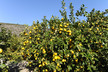
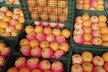
The country produces in the region of 2 million tonnes of citrus per year, 90% of which is kinnow. Only 10% of this is currently exported which means growers are taking lower rates for their produce and failing to turn a convincing profit.
The Agriculture Department in the country estimates that around 200,000 tonnes could be exported if modern practices were utilised.
however, this year things have taken a turn for the worse which is likely to see the country miss its export target of 30,000 tonnes. One of the biggest markets for kinnow was Iran, but the market has dried up entirely since US sanctions devalued the currency.
Sri Lanka too, was a good market, but there have been new tariffs applied to the import of fruits and vegetables there - right in time to impact on the citrsus harvest.
Worse still, there are now reports that the quality is also suffering. Farmers unable to take advantage of export trade and seeing diminishing returns, have less to invest in pesticide and fertiliser application.
The result is often smaller yields and blemished fruits which, if are not reduced in taste quality are certainly less appealing to the average consumer and therefore, not purchased.
There are calls for growers to focus on the quality as a way of ensuring the development of new export markets in the face of the failing ones. This will mean the adoption of more modern cultivation practices and, most importantly, compliance with GlobalGAP practices.
Source: tribune.com.pk