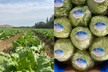
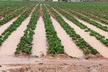
In recent days, the fruits and vegetables grown in the fields of Elche, in Alicante, have been covered in frost after being subjected to temperatures hovering around zero degrees Celsius, especially in the area of El Hondo. This is having a beneficial impact for some horticultural products and a not so good one for many others.
Artichokes belong to the latter group. According to Pedro Valero, of Jóvenes Agricultores, the crop has been slightly blackened as a result of the low temperatures of these past few nights.
"This translates into a loss of visual appeal," explains Valero, who points out that although the vegetable can continue its development process, at the time of sale, the price is expected to be lower due to its unusual appearance.
Growers insist that, although the artichoke appears to be stained, the product is likely to have preserved its flavour and quality intact on the inside.
In contrast to what is happening to artichokes, other crops, such as almonds, fruit trees, broccoli or cauliflower (the latter two with the harvest in full swing at the moment) have benefited from the cold.
"The temperatures would have to fall to between five and seven degrees below zero for these crops or lettuce to be affected. And even if they look withered, as soon as the sun rises they recover and appear surprisingly lush," says a representative of La Unió.
As for the fruit trees, when the mercury drops, this generally translates into positive conditions for the sap to "take strength, leading to a powerful and adequate flowering, which will facilitate the fruit setting," explains Pascual.
Artichokes belong to the latter group. According to Pedro Valero, of Jóvenes Agricultores, the crop has been slightly blackened as a result of the low temperatures of these past few nights.
"This translates into a loss of visual appeal," explains Valero, who points out that although the vegetable can continue its development process, at the time of sale, the price is expected to be lower due to its unusual appearance.
Growers insist that, although the artichoke appears to be stained, the product is likely to have preserved its flavour and quality intact on the inside.
In contrast to what is happening to artichokes, other crops, such as almonds, fruit trees, broccoli or cauliflower (the latter two with the harvest in full swing at the moment) have benefited from the cold.
"The temperatures would have to fall to between five and seven degrees below zero for these crops or lettuce to be affected. And even if they look withered, as soon as the sun rises they recover and appear surprisingly lush," says a representative of La Unió.
As for the fruit trees, when the mercury drops, this generally translates into positive conditions for the sap to "take strength, leading to a powerful and adequate flowering, which will facilitate the fruit setting," explains Pascual.
Source: diarioinformacion.com