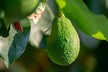
Avocado prices hit a record high on November 3. Americans love the fatty, green fruits. The country consumed 6.1 pounds of avocados per person in 2014, more than triple the figure from 2000. To put that in perspective, their growing avocado hunger means the fruits already blow pears out of the water and are fast approaching apple territory.
The rising price trend has been building throughout 2016. As Quartz reported in September, there isn't a single, simple explanation for the spike.
Hot weather, droughts, and beetles are driving up the cost of avocados.
Most avocados grown in the US come from California. The state had a miserably hot, dry summer in 2016. Highs in avocado-growing regions reaching 117 degrees, and as the Los Angeles Times reports, that left avocado trees wilted and battered.
On top of that, growers in the state have been battling an invasive species since 2012 that attacks avocado trees. The polyphagous shot hole borer, a tiny beetle, drills holes in the trees and leaves behind a deadly fungus.
And on top of that the state has weathered a severe, unprecedented drought for more than five years.
But even that isn't the whole story of the avocado price spike.
Mexico dominates global avocado sales, accounting for about 80% of sales in the US alone. In the state of Michoacan, where there are few opportunities to strike it rich, growers have torn up forests and wrecked local environments in a rush to meet the global demand.
But imports have dropped dramatically this year. Why? The same heat that struck California accounts for part of it. More immediately though, a dispute between growers and distributors has seen farmers blocking roads to prevent shipments from getting out.
As Adam Chandler pointed out over at The Atlantic, hot weather and droughts have also caused problems for alternative suppliers in markets as far-flung as Australia. Chile, in the midst of a drought, has seen drinking water diverted from human beings to thirsty avocados.