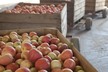
Statistics have revealed that Zimbabwe's apple production has declined by 50 percent over the past three years, from an annual output of six tonnes to three tonnes this year. The decline was mainly due to the replanting of old fruit trees currently underway.
Statistics indicate that while the sector had maintained an annual output of six tonnes between 2008 and 2013, the decline commenced in 2014, immediately after the sector embarked on the uprooting and replanting exercise of old trees.
The replanting exercise, which is spearheaded by the Deciduous Fruit Growers Association (DFGA), will see a total of 661,500 apple trees planted under 400 hectares in the next decade.
DFGA indicated that most of the apple trees under production are close to 40 years old and now less fruitful.
Moreover, it requires five to six years for the newly planted apple trees to reach the optimum stage of production.
This is further worsened by the decrease in hectarage from 256 hectares in 2013 to 152 hectares this year, thereby causing a huge drop in annual output.
DFGA chairperson, Edward Buwu, said the replanting exercise was the major contributing factor to the production slump.
Since 2008, apple imports sky rocketed from 0,8 tonnes to 34 tonnes in 2013. Current figures are still to be obtained but believed to be increasing.
Buwu is optimistic that the sector will start recovering from the replanting exercise with favourable output figures expected in the next season.
.
"Zimbabwe's production of apples is expected to increase when compared to last season owing to improved farming practices and better chilling units. Even though the country experienced a below normal rainfall pattern in the last season, the apple growing area of Nyanga benefited from prolonged rainfall patterns that extended into June.
"As a result most large dams particularly those supplying water to large scale deciduous fruit producers had very good supply of water for irrigation, entailing that any dry season water deficit to the trees was adequately met," he said.
Source: allafrica.com