Japan is aiming to raise the profile of its fresh food and expand the consumer base for its produce exports. An event was recently held which showcased Japanese food in Thailand.
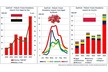
Tokyo has set a target of boosting agricultural exports to 5 trillion yen ($49.7 billion) in 2030, from 745.2 billion yen in 2015. Thailand is the sixth-largest importer of Japanese agricultural products after Hong Kong, the U.S., Taiwan, China and South Korea.
Fresh food from Japan is gaining traction in Thailand, albeit slowly, as more Thais travel to Japan and develop a taste for the cuisine. Also, improvements in shipping technology are making it easier and cheaper to deliver food across the globe.
Thai social media trends suggest that Japanese fare is indeed catching on. Favorite topics include "made in Hokkaido" and "kosui pear," indicating that Thais are developing preferences for specific locations and brands.
The event at Talaad Thai is proof that the wholesalers in Tokyo are aware of this and want to reach a larger swathe of the market.
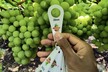
Over 1,000 people flocked to the market during the six-day event, which featured Japanese delicacies ranging from horsehair crab from Hokkaido, to kyoho grapes from Yamanashi Prefecture, to chrysan-themum flowers.
Isetan Mitsukoshi Holdings, has been able to lower the cost of importing fresh Japanese food to Thailand, by using a new technology that extends freshness during transport, enabling the use of ships instead of the usual airplanes.
The Isetan Bangkok department store has increased the amount of fresh Japanese vegetables and fruit it imports using the "controlled-atmosphere" freight containers brought over on ships. The technology maintains low temperature and oxygen levels inside the containers to keep the food fresh during transport.
That method enables the store to sell the goods for half the price needed when transporting them via plane, a store official said. Peaches shipped by air, for example, retail for 600 baht each, compared with just 300 baht when using CA containers.
The official said the lower prices mean a wider range of Thais are now buying Japanese food at the store.
(1 Thai Baht=0.029 USD)