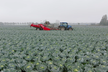
Organic farming practices began on a commercial scale in the 1980s and are now an increasing segment of the New Zealand market. New Zealanders are now reported to be buying organic products more than ever before and more farmers are committing to organic production of fresh fruit and vegetables.
Organic farming is a production method that involves much more than choosing not to use pesticides or fertilisers and other similar products. The principal goal of organic production is to develop enterprises that are sustainable and harmonious with the environment in what could be described as a holistic system.
However, there is no specific legislation regulating organic certification in New Zealand. Aside from the Fair Trading Act which prohibits misleading and deceptive behaviour, organic certification is regulated by industry standards only. Is this level of regulation sufficient?
Most people wanting to buy food free of chemical pesticides and conventional fertilisers think organic farming is better for the environment. While there is an increasing need to protect consumers from deception and fraud in the marketplace and against unsubstantiated plans, a balance needs to be achieved.
The main reasons farmers give for wanting to farm organically are their concerns for the environment and about working with agricultural chemicals in conventional farming systems. There are also issues with the amount of energy used in the manufacturing processes of most farm chemicals. Organic farmers find their method of farming to be profitable and personally rewarding.
The issues currently facing farmers choosing to go down the organic farming path is the transition period and the associated conversion costs. The first few years are the hardest as there are specific rules and processes in place to get to the point of organic certification.
The restrictions mean products may not be able to be presented as fully organic for wholesale purposes. Farmers often have to weather the transition period before they can receive the benefit of producing and selling organic products at wholesale or retail suppliers. Organic produce stalls are often seen at farmers' markets where they are not governed by the same standard food restrictions as retail suppliers.
The future of organic farming relies upon those willing to make a change to current methods and practices and the challenges that may come with it. There are many foreseeable benefits to the environment. Creating renewable resources that are sustainable within agricultural systems should be encouraged and over-regulation could risk pushing producers away from going organic.