Biological scientists at the University of Auckland have made a nutrient-rich flour from fermenting tonnes of fruit pulp normally sent to waste and are now seeking investment to help commercialise products from the technology.
The scientists have set up a spin-off company, Green Spot Technologies, to own the intellectual property for the fermentation process and its first product, the Ample Apple flour.
PhD student Ninna Granucci has been doing the research for the past two years under the supervision of Associate Professor Silas Villas-Boas. They're 50:50 shareholders in the spin-off company, and are currently seeking $600,000 in investment to fund a pilot plant to further test the technology.
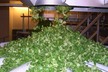
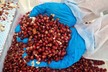
Fermentation experiments carried out in the laboratory so far have involved pomace (the pulpy waste) from apples, oranges, kiwifruit, olives, carrots, and grapes.
Typically fruit waste from the juicing process ends up in landfill or sold as low value animal feed. An estimated 22 to 25 tonnes of apple pomace alone is produced each year in New Zealand, while the figure rises to between 35 to 45 tonnes for grapes.
Fermented foods have been predicted to be one of the big global food trends, along with alternative flours, Villas-Boas said.
Villas-Boas said the process means there's zero-waste, as they use all the pomace. The first product is a flour made from apple waste that ticks a lot of boxes for consumers seeking an alternative to wheat flour - it's gluten-free, GMO-free, dairy-free, and vegan-friendly while also being high protein, low calorie, low fat, and a natural source of vitamins, minerals and antioxidants.
Other products the pair plan to trial once the new factory is set up, include fibre for snack bars and supplements, though the main focus will be on the Ample Flour and getting consumer feedback on that.
Tests so far have indicated the flour can be produced at a competitive price by processing as little as 100 kilograms of pomace and the first product could be on the market as early as 2018, he said.
Read more: www.nbr.co.nz